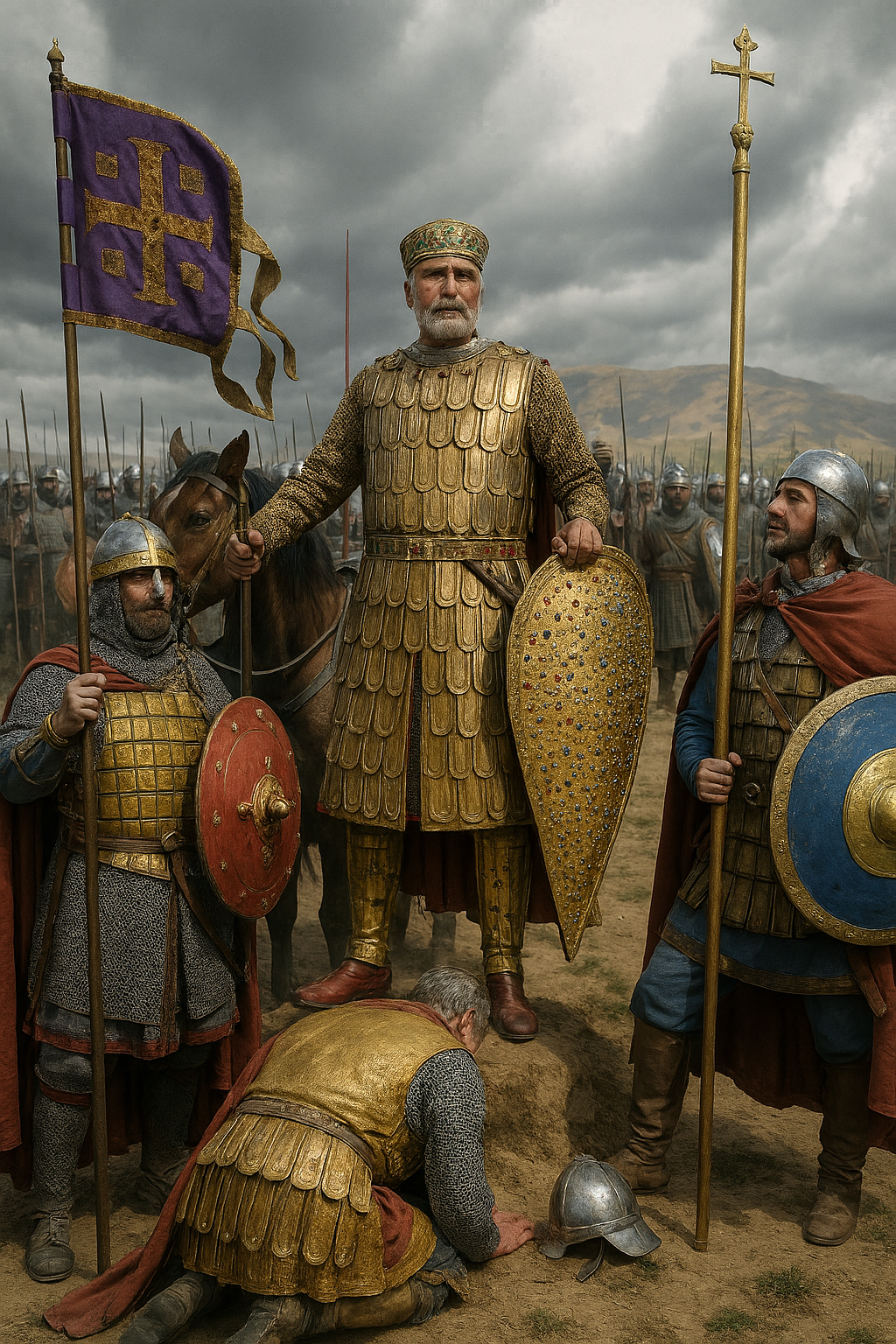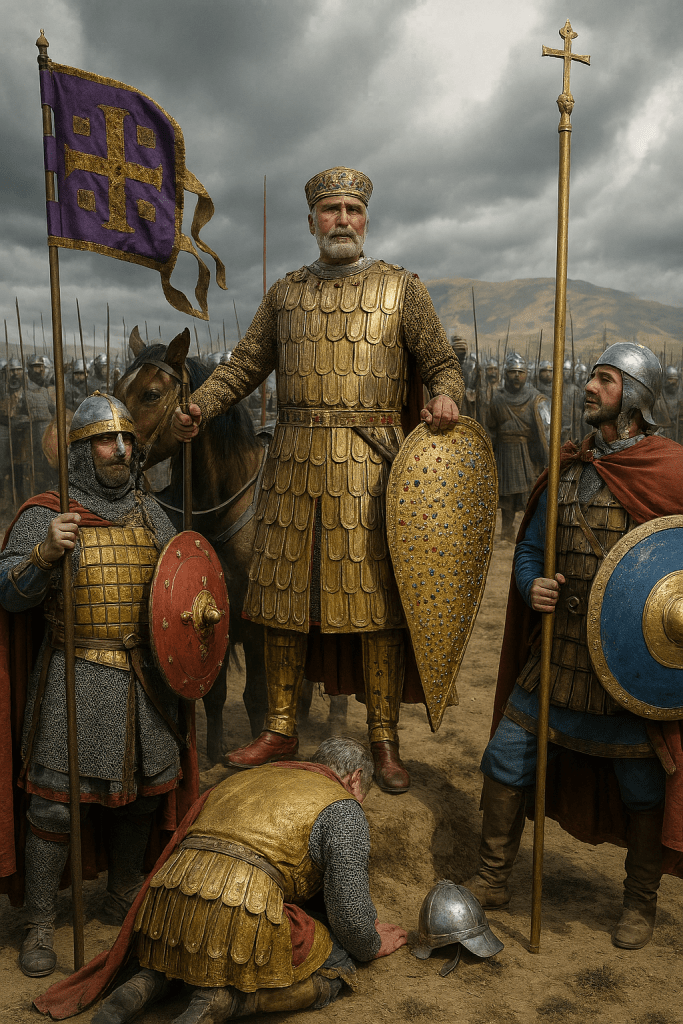
The image you see above is a depiction of the Emperor Basil II. It shows him on his campaign in the Kingdom of Georgia in the early 1020s. This occurred a millennium before the modern age. Basil II was the epitome of a great leader, be it Roman, Byzantine, Mongol, British, Spanish or Italian. Yet, an important question remains. Was he a good leader only as a conquering general? Or did he also serve as a competent administrator who improved the welfare of the empire? This blog post seeks the answer to the question: Who was the greatest Byzantine emperor?
The nature of Rulership in the Middle Ages
What does it mean to be a good leader? That is something that people are asking throughout the world during these uncertain times. Does a leader have to be democratically elected in order to have a mandate? Do some leaders have to have rough edges in order to get things done? Should a leader be religious? These are all important and interesting questions. For me, a leader should rule based on consensus. A leader must bring all sides to the table. That signifies good leadership. A leader guides people. They help bring greater glory to themselves and their empire.
It wasn’t such the case as it was during the time of Augustus. In those times, most governments were monarchies. Competence with the sword was what mattered, not the ability to form a consensus. The Roman Republic and Carthaginian Republic both had representative systems. In both states, the military was still very important to the maintenance of the state.
Military Strength was important to leadership in Classical Antiquity
A leader still highly esteemed the ability to form consensus. However, it wasn’t the most important attribute. For example, Alexander the Great was a great leader. He wasn’t elected by the people. Instead, he inherited the throne from his father, Philip II of the Macedonian Kingdom. He was able to lead his military troops effectively and conquer the entirety of the Persian Empire. He is remembered for his military achievements, not his ability to create consensus. Does that mean he was not a good leader? No, in fact, his ability to lead his men on long expeditions throughout a huge empire was important. If he had been a bad leader, then those men would have mutinied against him and sent him packing. Alexander showed great leadership skills. He had an amazing ability to lead men even in the midst of battle.
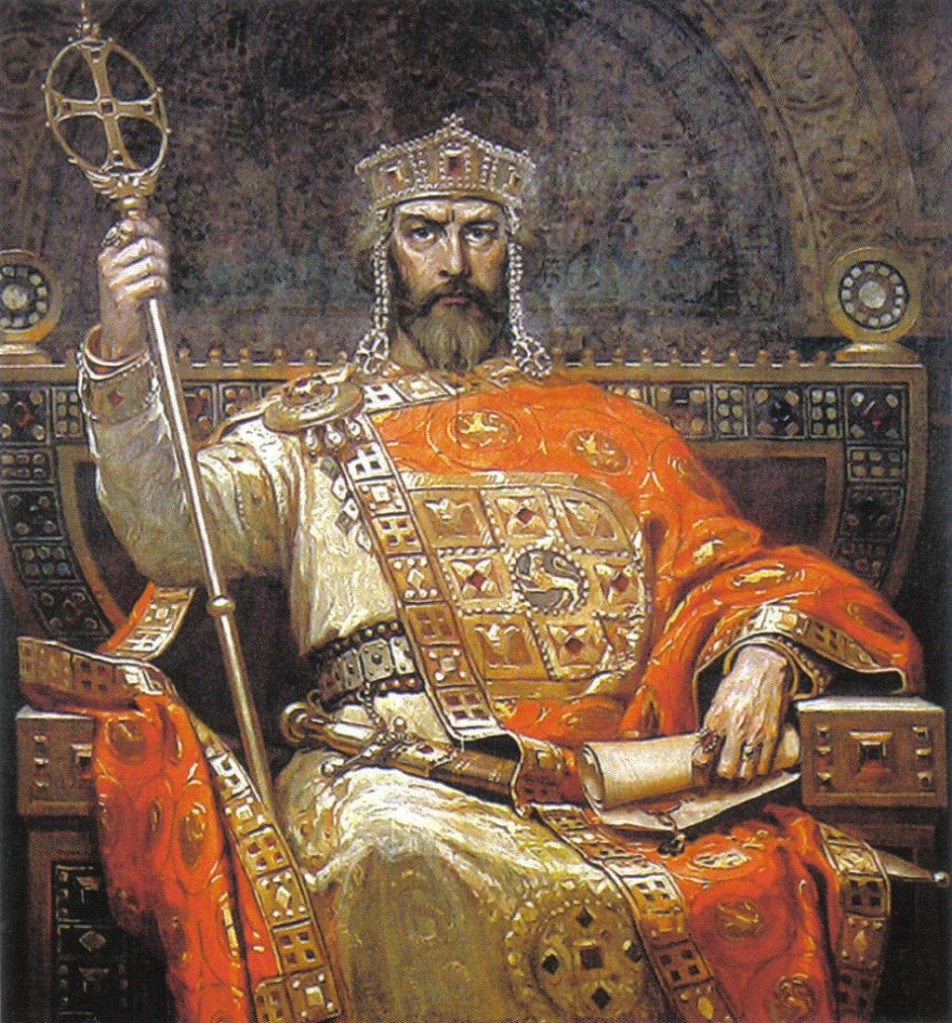
In the time of Alexander the Great and Ashoka the Great on the Indian Subcontinent, monarchies dominated, but there were political entities that existed that in the Mediterranean that were based on consensus. These societies were located in Ancient Rome and Ancient Greece. Ancient Greece was a haven for many examples of politics that involved discussions among citizens rather than obedience to a powerful king who ran his empire through the delegation of power to his governors. More specifically, Athens, was a direct democracy; everyone had a say, even the lowly citizen who was a tanner. It was restricted to largely 30,000 citizens. Women, slaves and foreigners were not allowed to vote in the assemblies of Ancient Athens. Ancient Greece was really an experimental lab for many different political beliefs.
Polybius and the mixed constitution of the Roman Republic
In Ancient Rome, things functioned differently. The government was based on a mixed constitution, according to the Greek historian Polybius. The constitution allowed for monarchical rule in the form of consuls, democratic rule in the assemblies, and oligarchical rule in the senate. This made the Roman Republic particularly very flexible in how it responded to threats. However, over time that the government system fell into a state of decadence and eventually the monarchical rule became the dominant part of the government. The Roman Republic was now becoming an Empire.
The transition from Roman Republic to the Roman Empire
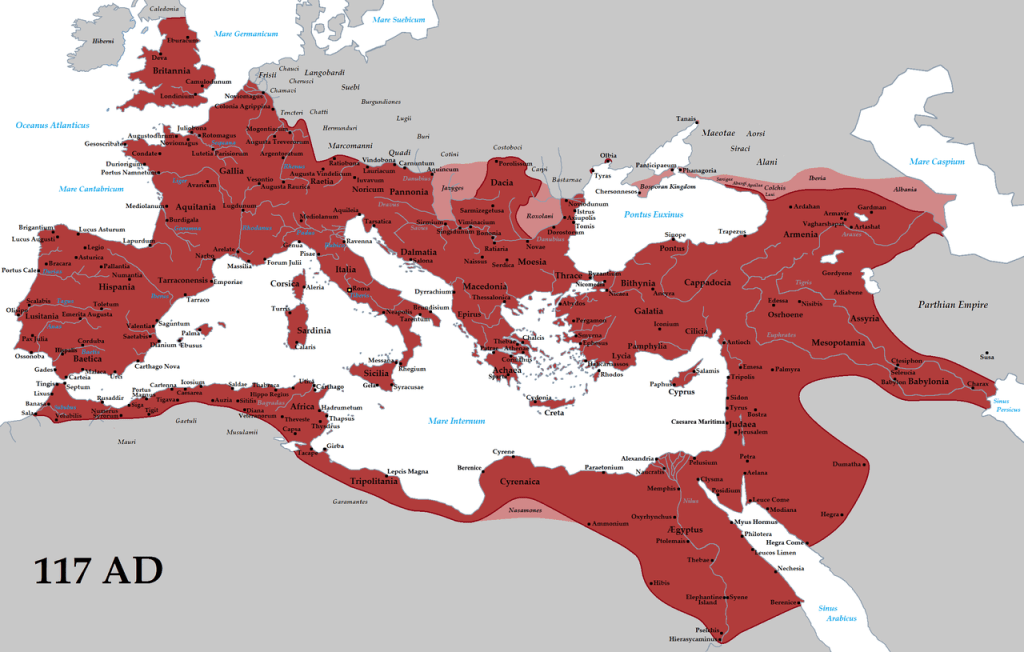
The Roman Empire remained in theory a republic. The emperor was supposed to be a first among equals and not a dictator. The first couple of emperors would tip toe on the line between a full autocratic leader and a republican statesman. With the onset of the Crisis of the Third Century, things would change quickly. The empire would face many threats, and this would result in several barracks emperors coming to the throne. These barrack emperors were there on the throne solely because of their standing with the Roman Army. Many of these emperors were only on the throne for several months or a few years. The resulting chaos and dislocation to the economy would result in an entire reordering of the government system. In 284, Emperor Diocletian would create the tetrarchy. Four emperors would rule the empire. This change aimed to create easier administrative efficiency. It was necessary in such a large polity as that of the Roman state. Not only would the empire be ruled by four emperors, but the nature of what it meant to be an emperor would change. The emperor was no longer supposed to be first among equals. Entire rituals were set up in order to heighten the sense of awe surrounding the emperor himself. The idea of the state as a republic still had a veneer. However, this was changing towards a true monarchy. This monarchy was confident. It believed it could break away from subservience to the Roman ideals of the Republic.
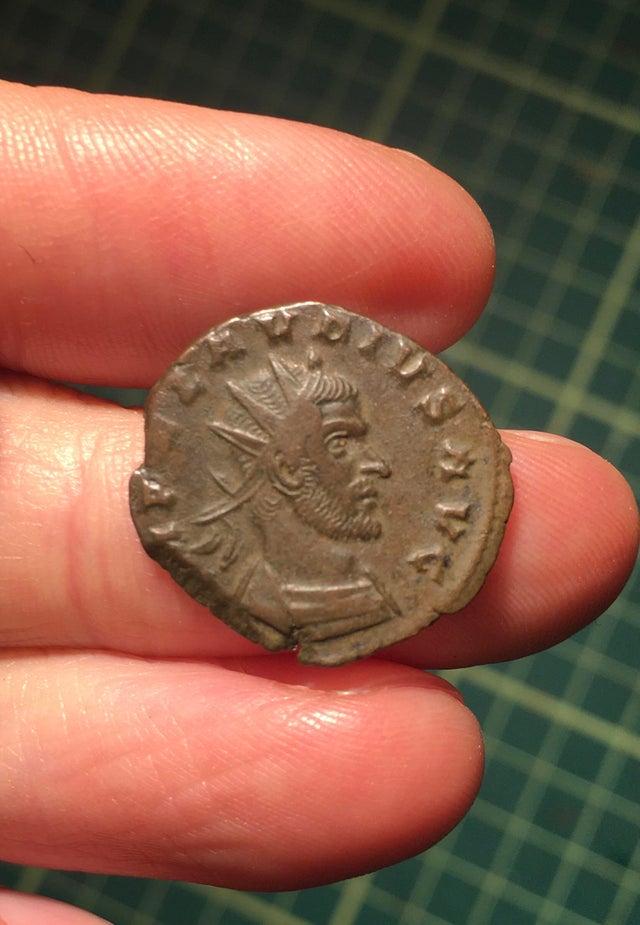
The Beginnings of the Byzantine Empire. Started by Emperor Theodosius II.
The Roman Empire would eventually split up into two parts, both West, and East. The Eastern Empire would eventually be called the Byzantine Empire in order to separate it from the Latin-speaking, classically Roman state. The Byzantine Empire was able to last for more than 1000 years longer than its Western counterpart. The empire had a variety of both competent and incompetent rulers, though it seems at times the empire leaned more towards incompetent rulers like Constantine VIII who ruled after his brother’s eventful and successful reign. However, in spite of that, the empire was able to thrive and survive. Despite there being many incompetent rulers, there were competent ones who were able to keep the empire running. Who was the greatest Byzantine Emperor? In this blog post, I list those who I think are the greatest and contributed the most to the success of the empire.
On the topic of when I start listing Byzantine emperors, here is my way of doing things. I generally consider emperors like Constantine to be part of the old Roman order, so I do not include him on a list. Instead, I decided to start ranking emperors at 395 AD. Why 395AD? Despite what I wrote in a previous post about the Byzantine Empire only starting in 641, I believe that 395AD is a good starting place for talking about ranking the Eastern Roman emperors along with those from later periods of the empire. The Byzantine Empire only came about due to the great calamities of the 7th century; but I believe that the Eastern Roman emperors should be included on a list. Without them, the list feels incomplete and lacking. The division of the empire in 395AD provides a nice stepping stone towards ranking the emperors and treating them separately from the old Roman order.
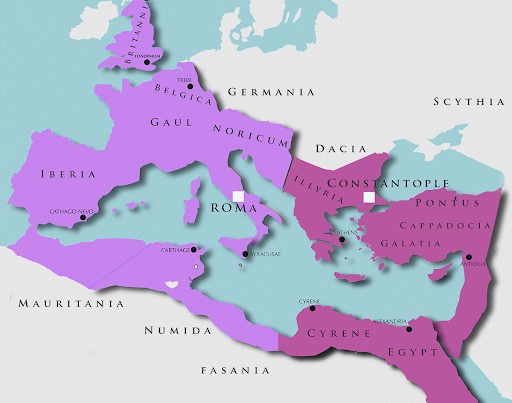
Emperor Anastasius
The first emperor that I believe deserves mention is Emperor Anastasius. His reign had no important conquests. However, he improved several areas of interest to the empire. He increased government efficiency by rooting out corruption. Still, he seems to have filled much of the government with courtiers and his colleagues. He managed to hold off an invasion from the Sassanids as well. Furthermore, he managed to leave the treasury in good shape for Justinian to spend on his imperial adventures. Overall, a rather boring emperor but a highly intelligent and competent one. This show that you do not need to be a conqueror in order to be a great emperor. Sometimes it’s better to keep your borders stable and focus on reforming the economy and bureaucracy.
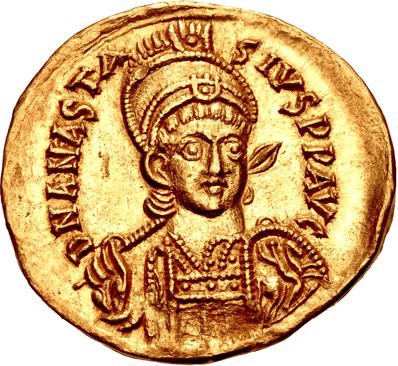
Emperor Justinian
Next on the list is an obvious one. Justinian. This is one reason I include Eastern Roman rulers. His name is integral to how the Byzantines would conceive of themselves. He was the emperor people gossip and write about. They mention him when discussing rulers of the Byzantine state. He was a visionary and a leader who was assisted by a generation of political and military leaders. Despite what Procopius has to say about Justinian, this man was effective and legendary in his time and after him.
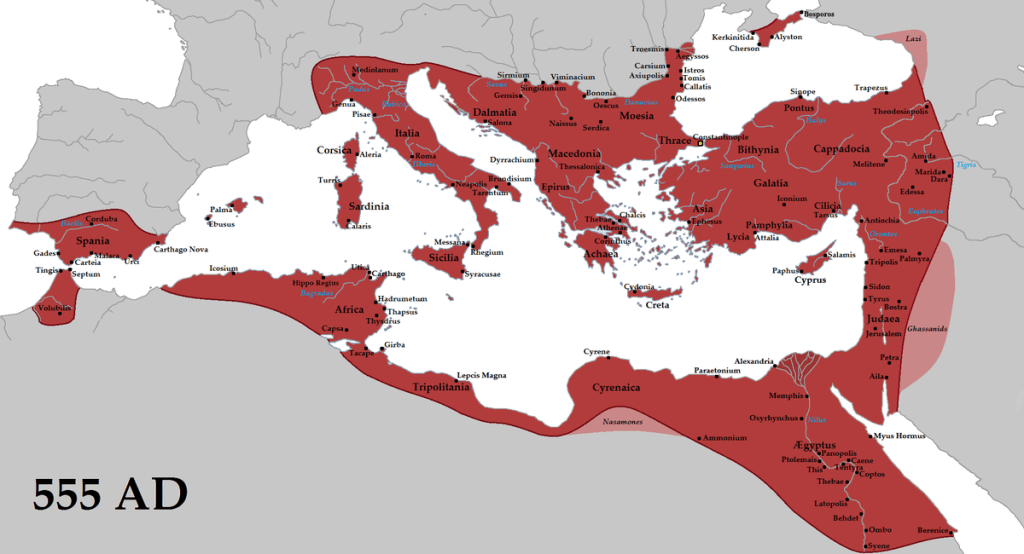
Justinian’s reign was marked by several challenges, one especially being the conspiring aristocracy and their attempts to overthrow his government and establish their own. The Nike riots show a ruthless attitude that was needed to evade the machinations of the senatorial class and their supporters. His response brough much damage to the city, but at this point, his reign was secured, and he was able to pursue his agenda.
The heart of Justinian’s agenda was the retaking of lands that had once been part of the Western Roman Empire. This shows that Justinian was a man of action and of great vision. The Western Empire had fallen only fifty years before his accession to the throne and I believe some may have thought that it would be folly to even attempt an invasion of Italy and North Africa. However, Justinian was willing to ignore the detractors and pursue his dreams of a reunited empire. I love reading about courageous men such as that. They do not care about criticism and simply go through with their plans to accomplish what their peers find to be too difficult or dangerous to their wealth and safety. Through his trusted generals, like Belisarius and Narses, Justinian was able to complete the conquest of Italy and North Africa, even while there was this plague ravaging through the empire. Justinian was a man who knew when to take chances and I appreciate men who have vision and the will to pursue it.
However, what are some points against him. Well for one thing, Justinian could be a bit in over his head and quite autocratic. His reign would acquire the ire of Procopius due to his autocratic rule. However, in my view, Justinian needed to autocratic because otherwise, his agenda would have been stopped by scheming senators and nobles. However, in his strong pursuit of his goals, he may have overextended the borders and the resources of the empire. The empire had extended to it greatest extent but was materially exhausted from the struggle. There is to be said, a visible exhaustion and the empire would start crumbling within a few years after the ascension of his successors. However, despite this, Justinian still ranks as one of the best emperors due to being a man of great vision. His successors did not manage to reach the heights of his glory and Justinian shines all the better for it because of his amazing achievements.
Emperor Heraclius
We move onto talking about Emperor Heraclius. His reign in the 7th century represents a turning point in the Byzantine Empire. He would come to power through overthrowing the unpopular Emperor Phocas. You must understand that he took on leadership during a war. He managed to deal with the internal scheming and start a re-counterattack on the Sassanids who were winning the war. At that time, things were not looking so good for the Byzantines. People even discussed moving the capital to Carthage. This city was Heraclitus’ original power base before he overthrew Phocas in rebellion. However, Heraclitus managed to turn the tide won important victories, including one at Nineveh. He soon took the fight to the Sassanids, sacking their capital and causing them to sue for peace. One scholar had said that if Heraclitus’ reign had ended right there, then he would have been remembered as one of the greatest Eastern Roman emperors. However, he managed to survive a couple more years to see it be overwhelmed by the Muslims.
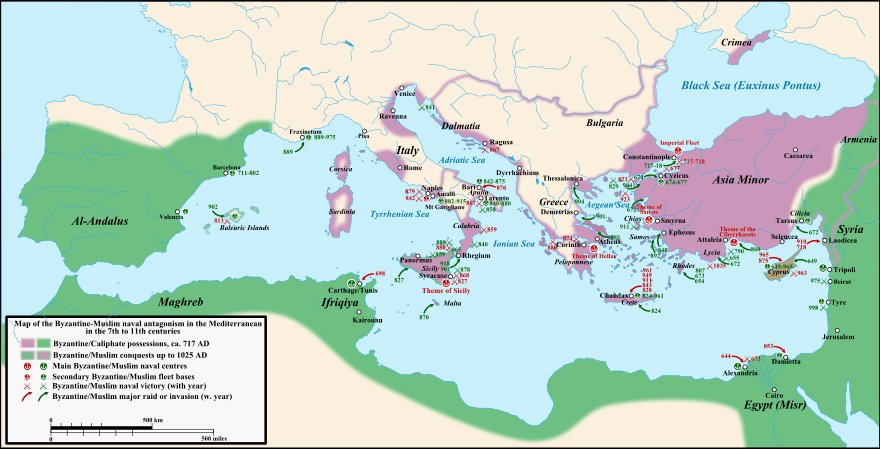
It is really hard to say whether Heraclius could have been better prepared to resist the Muslim onslaught of the 7th century. Despite being victorious, the Byzantine Empire was exhausted from all the fighting and damage caused to its economy. Heraclitus struggled with the religious tensions of the empire. He attempted to convert all the Jews in the empire to Christianity. The state was left exhausted and vulnerable to attack. The emperor suffered a defeat at Yarmouk that pretty much allowed the Muslims to take over the Levant. Eventually, by the end of his reign, Egypt was taken, with the all-important grain supplies being cut to Constantinople. Heraclius definitely ranks up there as one of the greatest emperors. He is commended for his efforts to stymie the Sassanid advance, but that reputation is tarnished by the fact that later defeats. He however, manages to get points for being able to keep the empire together through an incredibly difficult time. Overall, he had the capacity to be as great as Justinian but history had a role for him to fulfill in the history of the Eastern Roman Empire.
Emperor Basil II
The next emperor on the list to be considered the greatest is Basil II. As I stated earlier in the blog post, he was more than just a conquering general. He also was able to govern the empire well with the aristocracy being kept on their toes. Being a great general was something that Nikephoros Phokas excelled at. However, he was a more maker of policy and administrator of government. It is because of this issue that it may have led to his overthrow by conniving factions in the Byzantine Empire. Basil II on the other hand, had both skills well represented in his toolbox. That is why I include him on this list and not emperor like Nikephoros because in many ways he was an effective conqueror but not a leader of bureaucrats that were needed to run the wheels of the empire.
He’s an obvious choice as his reign represents the apex of the Byzantine Empire in the 11th century. he came to power with many factions plotting aganist him. He could have lost it all early on, with the rebellions from Bardas Phokas and Bardas Skleros. However, Basil II utilized the legendary Byzantine diplomacy to his advantage. The Rus of the north had been growing closer to the Byzantines as a result of economic trade and Byzantine attempts to convert the Slavic peoples to Christianity. He managed to convince an important Slavic prince, Prince Vladmir to loan a considerable number of his warriors. These warriors were known for their legendary loyalty and were not fickle, like his own Byzantine soldiers. This group of Slavic warriors would later be called the Varangian Guard. These troops would prove important in helping him restore order to a broken empire.
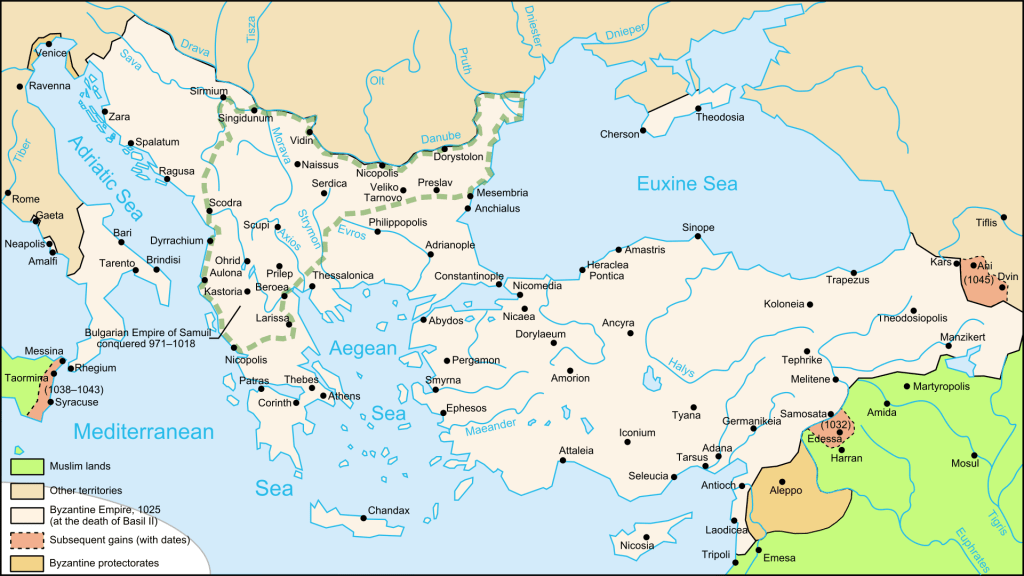
Basil II’s reign was also beneficial to the peasant class of the empire, looking out for their interests. He a tax implemented which required the nobility to cover the debts that the peasants had accrued. This would prove quite popular and endeared him with the people.
Basil II also proved his worth by being a soldier’s emperor. He spent time with his troops, unlike Justinian, and ate from the same rations as his troops. He spent much of his time on campaign, keeping a close eye on his army. He was truly a man of the people. These sort of personality traits are especially important in creating an image of a man that hold the reins of such a powerful government entity as that of the Byzantine Empire.
His years of campaigning would prove quite fruitful and expand the boundaries of the empire. He managed to conquer the rival state of Bulgaria, which had been a thorn in the side of the Byzantines for centuries. He also managed successful campaigns against the Arabs and Georgians. Overall, his reign represents the apex of Byzantine expansion during the Middle Ages.
However, like Justinian, Basil II would have successors who did not what know what to do with the immense success that he would have. This is one area of weakness for Basil II, tarnishing an otherwise brillant reign. He did not have a succession in mind before his reign was done. Had he done so, its probable that the empire would have been able to prosper and retain its territory instead of almost falling apart at the seams in the 11th century.
Emperor Alexios Kommenos
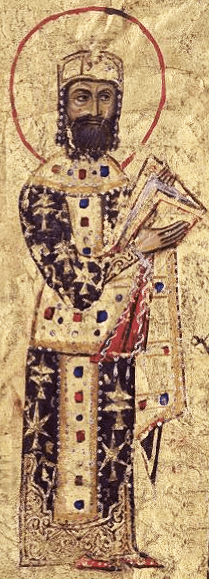
Next on the list is Alexios Kommenos. He came to power during a time when the Byzantine Empire was falling apart. The pivotal battle of Manzikert had proved to be quite damaging for the empire. Rebellions had started breaking out across the empire and the Seijuk Turks began the Turkification of the Anatolian region. The Byzantine Empire had shrunk to its smallest size in its history and there were enemies on all sides seeking to carve out a piece of the empire for themselves. The previous emperors had been completely incompetent when dealing with this situation. However, Alexios came in at the right time to stabilize the situation. He did suffer some battlefield defeats during his reign, but he did have one thing going for him, his utilization of diplomacy. During a time when the empire was falling apart, Alexios managed to get Europe allied with his empire to start the Crusades. It was through this religious alliance that the Byzantines would be able to retake several of their fallen territories. His reign would start a whole dynasty of strong rulers for nearly a whole century. These rulers, John and Manuel, would bring stability and great leadership to the empire. Alexios managed to steer the ship during a particularly troubling time for the empire, so he manages to get points for that.
The emperors mentioned here do not represent an all-exhaustive list. These just represent what I think represent some of the best that the empire had to offer. Overall, there is a theme with them. They are competent administrators and also competent in the area of the army. These are just my personal thoughts about the emperors. However, I believe that Basil II was the best emperor of the entirety of Byzantine history.
Why Basil II? He was a giant among lesser men. He came to power early in his life, allowing for unprecedented stability and continuity in his rule. Unlike his successors, Basil II was a competent administrator. He did not just rest on the laurels that had been given to him; he instead decided to seek out challenges. His military conquest of Bulgaria and parts of Georgia may pale in comparison to Justinian’s, but these conquests were more sustainable and also, they were more integrated with the imperial administration. Justinian’s conquests contributed to the empire being overstretched and emptied a considerable treasury. In comparison, the empire of Basil II had a more sustainable footing upon which more conquests could be prepared. His tax on the nobility, or the Allelengyon is another of the pieces of legislation that allow me to give Basil II more points. This shows that he had a caring attitude towards the poor and was willing to stand up for them. Furthermore, Basil II had the character of a warrior emperor when it was needed. The Byzantine Empire was surrounded on all sides by rivals that sought to take over. He managed to keep internal rivals at bay and through a mixture of diplomacy and warfare, was able to improve the strategic position of the empire. Overall, the emperors that I have listed are considerable in their stature, but none compared to Basil II, except probably Justinian. He was the right emperor who came in at the right time and was able to lead it to glory and success.
 Byzantine-Empire.com