


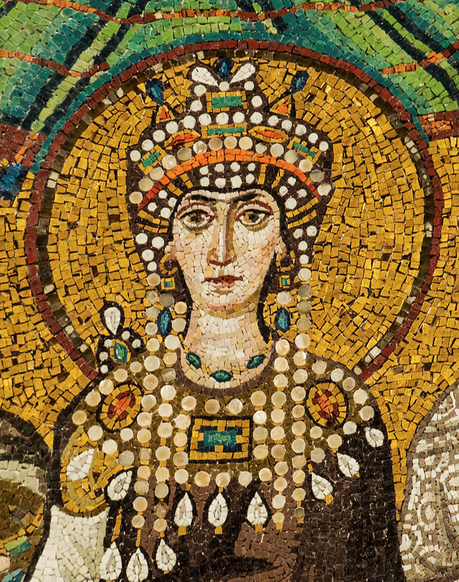
On one of my previous posts, I discussed what eras in Byzantine history could be made into a movie or television series. What is preventing the creation of said movies is that the Byzantine Empire is simply not well known in popular culture. On this Quora post about the topic, there are over 36 responses, each with a variety of opinions on the topic. Most of the reasons seem to stem from perception issues. People have certain views about the past and that anything that deviates from that tends to make people uncomfortable. The Byzantine Empire has a mystique around it, and it is does conform to the usual views that people have of the Middle Ages. Unlike the Roman Empire, the Byzantine Empire has been neglected by historians and by the general public. It is a time period that is incredibly interesting, and it would great to see more media devoted to the Byzantines. How come its neglected? I’ll give you the reasons why in this blog post.
1. Religion
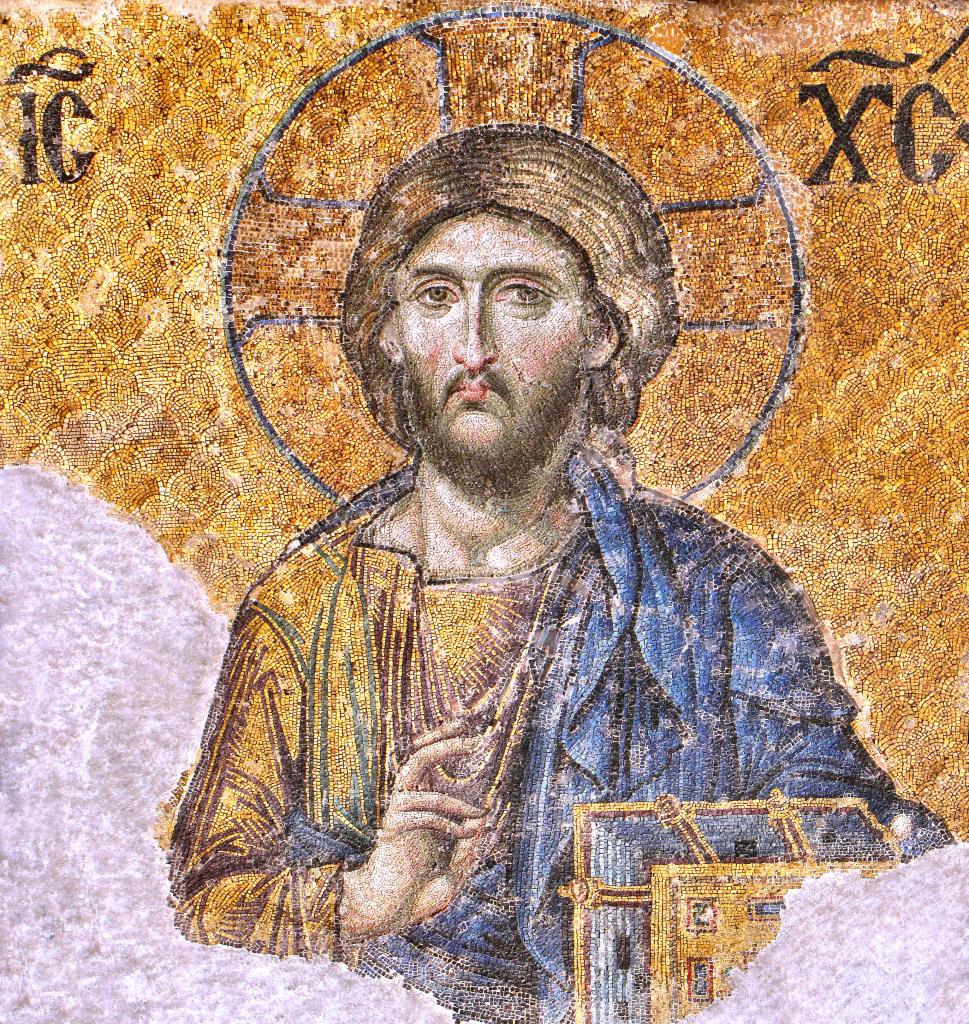
The Byzantine Empire does not belong within the traditional Protestant or Catholic framework of the American or European mind. Orthodox Christianity exists on the periphery of European culture and so it gets ignored generally in the traditional histories of the period. When people think about the Middle Ages, they want to think about Gothic churches with the towering spires that stretch into the sky. The Byzantine Empire with its domes, which are more reminiscent of the Roman Empire than anything else, clashes with that mindset. Today, Orthodox Christianity is heavily associated with Russian culture. It is an “other” that is often neglected due to the fact that it exists out there on the periphery of mainstream culture.
2. Geography
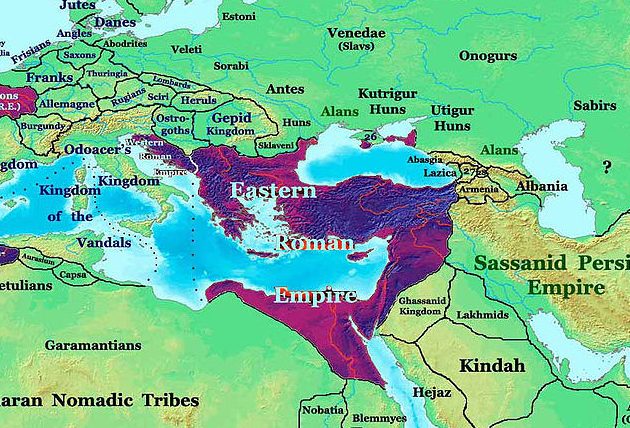
Geography helped to keep the Byzantine Empire going when its Western Roman counterpart was being invaded by barbarians. However, geography helps to keep knowledge about the Byzantine Empie concealed from the eyes of the general public. Look at a map of the Mediterranean and look at the territories controlled by the Byzantine Empire. The Byzantine Empire, at its height controlled Italy, parts of North Africa, Anatolia, the Levant, the Balkans, and Egypt. None of these territories are located in parts of the globe that are part of the centers of English-speaking academia, which dominates the academy today. This issue is further compounded by the fact that the Byzantine Empire, throughout most of its history was centered around two main areas, the Balkans and Anatolia. These two areas are not well known in English-speaking histography. Because of this, any sort of inspiration to make movies about the Byzantine Empire get stymied. Of course, this is not entirely true of all types of cinemas. Hong Kong, which is located far away from the West, was a center of movies for many years that appealed to the west and got lots of popular support. Asian cinema should prove that geography should not be the enemy of any Byzantine movies being made. However, in this case, geography does play a role in making Byzantine culture inaccessible to the general public.
3. Perception of the Middle Ages
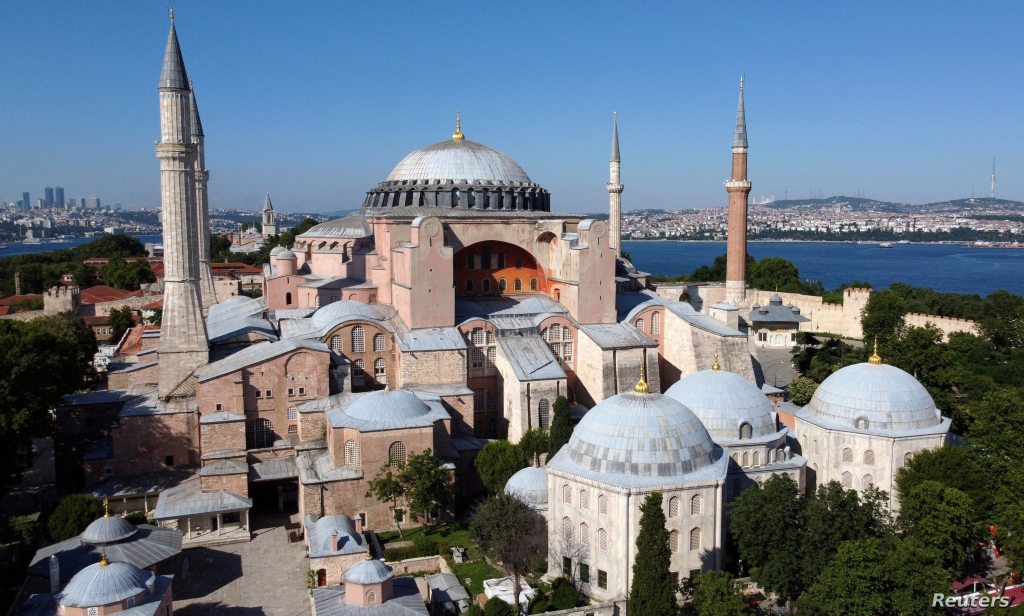
People have this perception of the Middle Ages being this time of dirty peasants and greedy nobles living in castles. Of course, this perception isn’t true of the Northern European countries as much as it is for the Southern European ones. This is still a perception that gets in the way of any movies being made or Byzantine culture having more influence in popular culture. People have this view that the Middle Ages are supposed to be a time that is savage and unrefined. Of course, it wasn’t anything like that. There are examples of excellent works of architecture, art and literature that defy those ideas about the Middle Ages. However, the Byzantine Empire is simply too different for people to understand. The Byzantine Empire had a large bureaucracy supported by a professional army. It had large remnants of the Roman past incorporated into its culture. This does not align with what people consider to be a dirty and ignorant age with the state being weak and not involved in people’s lives. Ordinary people also think that the Middle Ages was a time that there was little trade going on. On the contrary, the Byzantine Empire was the center of a large trade route that went through the capital, and this made it a polyglot empire. People have this idea that the Middle Ages was this time of homogenous culture, which again is not represented in the archeological or literary record. This is the same issue that Arab-speaking world has with advertising its own medievalism. It goes counter to what people expect of the Middle Ages and so it gets neglected by Hollywood and other cultural creators.
4. Historical Movies are hard to make
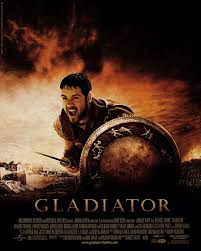
This is another one of those reasons for why Byzantine culture is not well-represented in popular culture. Simply put, making historical movies is a huge investment for any studio. You need to spend time building sets, getting actors prepared to play roles that are different from what they used to, and utilizing CGI where possible. There also has to be a built-in audience for a Byzantine movie or tv series. As of right now, there isn’t one. Of course, we Byzantinists would like to think that there are more people out there who share our love of the Byzantine Empire, but it just isn’t so. Making a historical movie takes the right director, actor and group of people to make it happen.
5. Byzantine History is high-brow history

While we Byzantinists would like to believe otherwise, the Byzantine Empire is a high-brow historical topic. There exists little that brings it down to a level for the general audience. In many ways, Byzantine history is its own little hidden history. It is a topic that one mainly sees in the domain of academia and the discussions that revolve around Byzantine history tend to be discussions that one would see at the College graduate level. In order for Byzantine history to be more accepted by popular culture, you are going to need to change the way how it’s presented to people. That means breaking the topic out of the prison of academia and into the popular culture. Currently, the only medium that seems to be able to do this is video games, which is where most people these days seem to get into the Byzantine Empire.
6. Perceptions about the Roman Empire
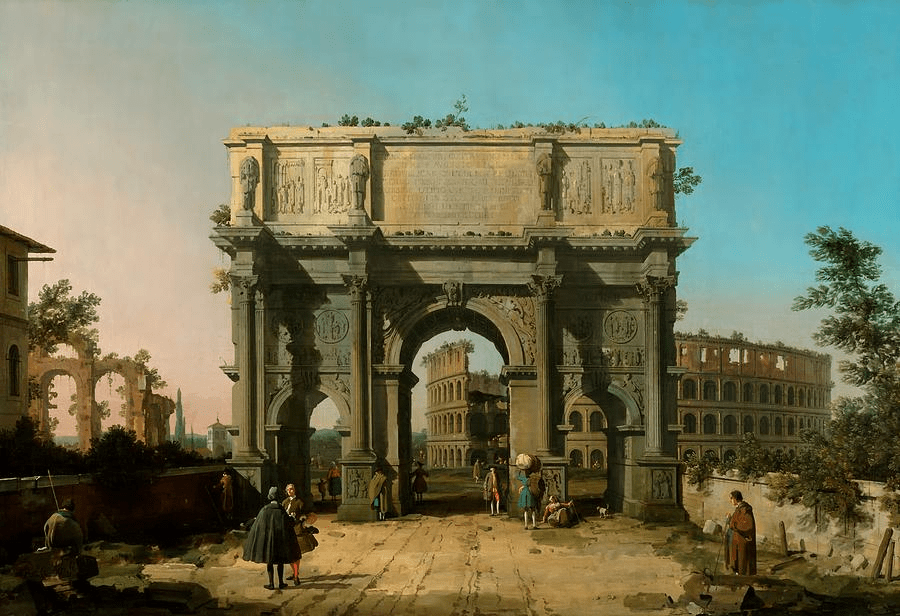
Another issue is the Roman Empire and how people view. There is a tendency among people to view the Roman Empire as something that is comfortably pagan and foreign. When you add Christianity to the mix, it becomes too close to home for some people. They expect to see animal sacrifices, references to pagan gods. Seeing Christianity being invoked can mean having to deal with the fact that the people of the past were not as different from people such as you and I.
Furthermore, people have this perception that the Roman Empire fell in 476 AD, even though that’s not correct. This means that people tend to tune out after that date and ignore all the rich history that is occurring after the fall of the Western Roman Empire!
7. The lack of a popular leader

One of the important things to remember about Byzantine history is that it is long. It’s so long in fact that it’s easy to get lost in the weeds. Byzantine history simply lacks a leader who is able to wrap all of Byzantine history together to make one big statement about it. That figure could be Justinian, but Justinian is simply too early in Byzantine history to make a summarizing statement about the empire as a whole.
8. Ottoman influence
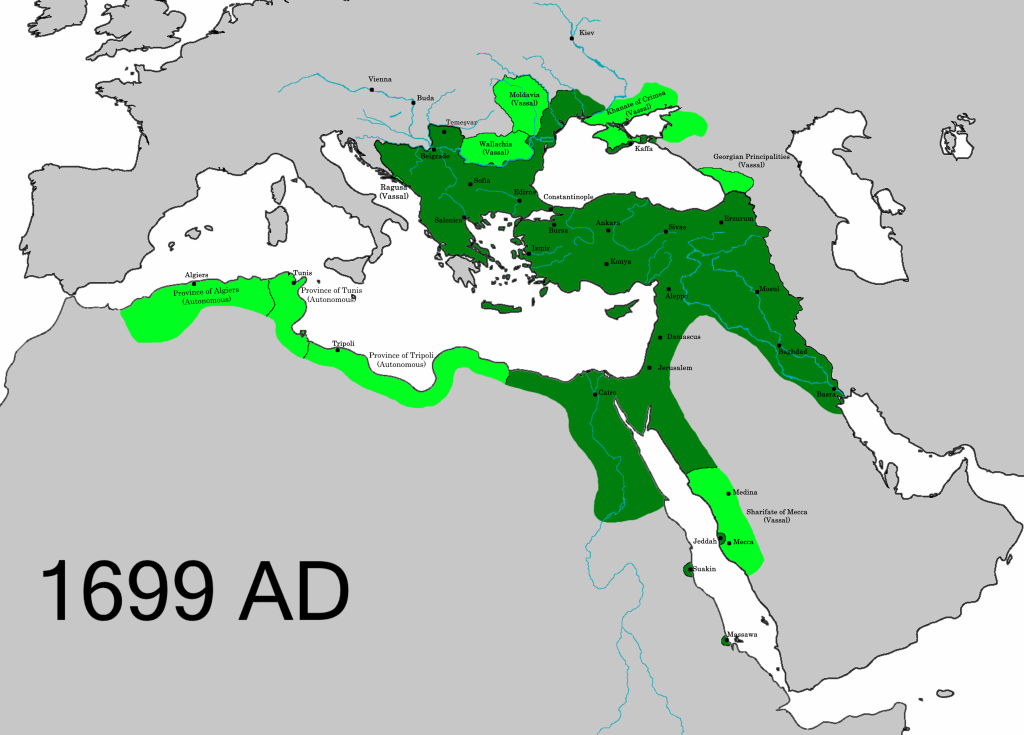
Another issue for anyone wanting to study anything about the Byzantines is that they have to contend with the fact Byzantine history for many years was covered by the dominance of the Ottomans. The Ottoman Empire, while it has been rising in the consciousness of the Western imaginary in recent years, still remains a mysterious and unknown historical object. For some 400 years, Greece was under the control of the Ottomans. During that time, Greek culture was hidden from the West and that means that many opportunities for the interaction between Greece and the West were missing. This means that Byzantine history was generally neglected by historians for some time due to the fact that those areas of the world were considered to be part of the Islamic sphere of influence and therefore not part of the traditional histography of the West.
9. Lack of influence in Hollywood
All those reasons build onto this reason is that there is simply a lack of influence of Byzantine themes in Hollywood. Today, superhero movies have an outsized influence on Hollywood, making them a go-to vehicle for studios looking to make lots of money. If historical movies had that amount of influence that superhero movies have, then you can bet that we would have seen a Byzantine movie or tv series at this point.
10. Histography is English-oriented

It is more likely that I would be able to get a movie or piece of literature about the Byzantine Empire made in Greece than I could in America. Simply put, histography is dominated by the English-speaking world. There exists histography that is in other languages, but that takes time to translate and that difficult causes Byzantine culture to be obscure in academia. While there are efforts to make Byzantine culture more accessible to the masses, like authors like Johnathan Harris or Anthony Kaldellis, but those efforts are few and generally limited in scope.
These are just some of the reasons why I think that the Byzantine Empire is not popular in popular culture. There are other reasons, but these are what I think are the main ones. In order for Byzantine culture to become more popular, these reasons are going to have be addressed by cultural creators. They need to make sure that they are able to create cultural works that are able to speak to the general audience, not just enthusiastic Byzantinists.
 Byzantine-Empire.com