


In one of my previous posts, I discussed who I thought were the S-tier emperors. My listings were as follows: Justinian, Basil II and Alexios I. Those emperors were chosen because I thought that they were the ones who were most effective at keeping the empire together. The Byzantine Empire being able to last for so long is one of the reasons that I am so interested in the subject in the first place. I want to understand how the empire was able to survive so many challenges in such a dangerous age. It wasn’t just a matter of a military victories. It was also a matter of administration and how they managed to reform the empire’s internal structures. Justinian reformed Roman law and also contributed to the continued bureaucratization of the empire. Basil II fought off the machinations of the nobility and strengthened the central government. Alexios, I reformed the government and gave the empire the breathing room that it needed to survive the calamities of the 11th century.
Why S-Tier and not A-tier?
These men are not simply a-tier emperors but s-tier emperors. Notice how each of them managed to enlarge the empire at the same time being able to fight off the nobility. That is an important trait in any Byzantine emperor that would be considered s-tier. Justinian, for example could have simply been another emperor who ended up overthrown by the establishment. Justinian instead was able to triumph over the aristocracy and be able to model the empire to his very liking. The same goes for Basil II, who was able to fight the twin revolts of Bardas Phokas and Bardas Skelleros. He also made the aristocracy have to pay for the arrears of the peasantry, which annoyed them greatly. Alexios I also was able to fight against the establishment and reestablished the whole empire. He was also responsible for getting the crusades started through skillful use of diplomacy with the Catholic West.
There are many emperors on the list of A-Tier but only a few on S-tier. Being a s-tier emperor is exceptional. You have to prove your mettle at being able to rule the empire. This means being competent at running administration, dealing with religious issues and being able to expand the empire.
A-tier are great emperors, but they simply come up short to being truly the best. This may seem like grasping at straws, but this is an important distinction. Which emperors were truly the best? Which emperors were simply great at their jobs? The empire required a skillful hand to be able to rule properly and those who were not up to the task were going to be the ones that history would say were ready for the mantle of the purple and the golden throne in Constantinople.
So why not Heraclius? The man came to power by wrestling control of the empire away from the usurper Phocas. He managed to defeat the Sassanids after they brought the Byzantines to the very brink of dissolution and disaster. He managed to bring new life into the empire that was at the time becoming less and less unified. It was seen after his victory against the Sassanids that the Byzantine Empire was going to be seeing a new golden age. He managed to succeed at galvanizing the support of the people at supporting a holy war against the Sassanids. He led troops to victory and managed to rebuild the empire, so why is he not a S-tier emperor?
Simply put, the Muslim invasions are the main reason why he is not considered to be a S-tier emperor and only an a-tier emperor. Had Heraclius been able to fight back against those invasions, he definitely would have made the list. One of the reasons that the Muslim invasions were as successful as they were because both empires, the Byzantines and the Sassanids were both exhausted from both years of war. This made it easy for the Muslim armies to take advantage of the situation and wear down both opponents. A second reason is that Heraclius had been pushing more and more for religious unity in the empire. This meant that he was trying to purify the empire of both Christian and Jewish factions. This meant that alot of people were angry at him for trying to push his religious beliefs on them. This led to a lot of people being sympathetic to the Muslims, who promised to be better rulers than of the Byzantines.
Heraclius cannot be blamed for wanting more religious unity in his empire. Indeed, previous emperors had been dealing with this issue for multiple generations. Emperor Justinian had to cooperate with his Miaphysite wife, Theodora, who built her own political powerbase through connections with this religious community. Heraclius was simply trying to solve an issue that had been dogging the empire for generations. However, his efforts came at the expense of actual unity of the empire, giving the Muslims a unique opportunity to exploit and take over the wealthy provinces of the Levant and Egypt.
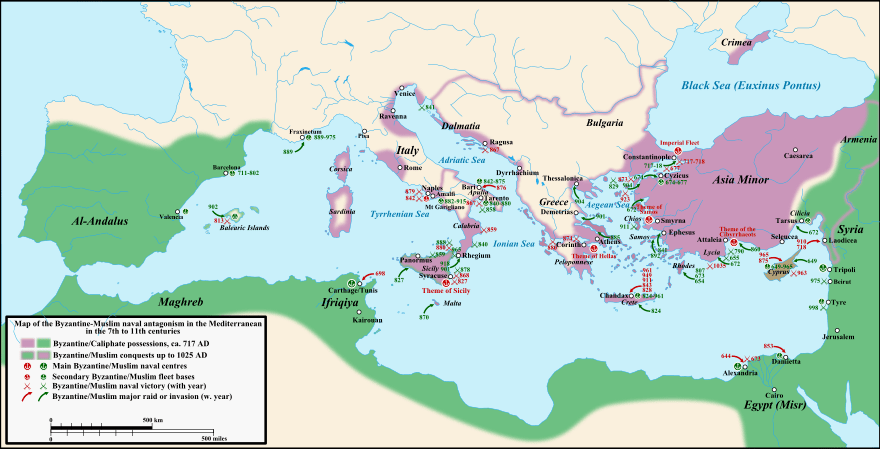
It is his failure in being able to prevent these conquests of these provinces that prevents him from being a S-tier emperor. Had Heraclius managed to turn the tide at the Battle of Yarmouk in 636, he would have been remembered as one of the greatest Roman emperors to have ever lived. This is not to say that the Heraclius was not one of the greatest emperors, but he simply did not manage to retain the conquests that he made during his tenure as Emperor. The rapid and swift conquests of the Rashidun Caliphate helped to reshape the entire political map of the Near East. Heraclius failed to marshal the forces properly and honestly was unable to stop a tsunami that altered the balance of power in the region.
So overall, Heraclius is a great emperor. He saved the Byzantine Empire from being conquered by the Persians. Had he failed in this endeavor, then Asia Minor would have simply been an outpost of a much larger empire, namely the Sassanids. However, his failure at being to stall or even defeat the Muslim invasion helps to prove the point that he wasn’t great enough to be one of the best. His reign ended with the empire having to totally shift its entire administrative structure. The empire would then be forced to adopt different tactics at fighting its enemies. Heraclius wasn’t responsible for this; this was left to his successors. Simply put, he was a great emperor, but he wasn’t good enough to leave the empire in better shape than when he had overthrown Phocas in 610. The empire had become reduced to a regional power away from the world dominating strength that it once had. That is the very reason why Heraclius is not considered to be a S-tier emperor.
 Byzantine-Empire.com