


One of the things that fascinates me greatly is the history of coins. Numismatic studies have always interested me. Coins are such a big part of human history because of the stories that they tell. They tell stories of a government trying to impose its will upon the economy; this can be seen in the attempts to control inflation. They tell stories of cultures changing over time; this is a remarkable thing, how cultures change. We can see the transition from a Pagan culture to a Christian culture. Pagan symbols get replaced by Christian symbols like crosses, images of the Virgin Mary and Jesus. This is one of the reasons that I love coins; it’s a great way to learn about history.
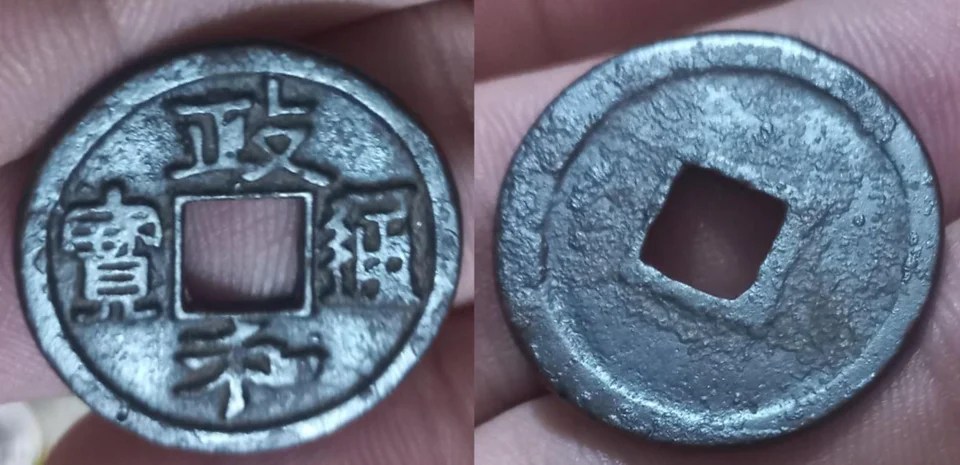
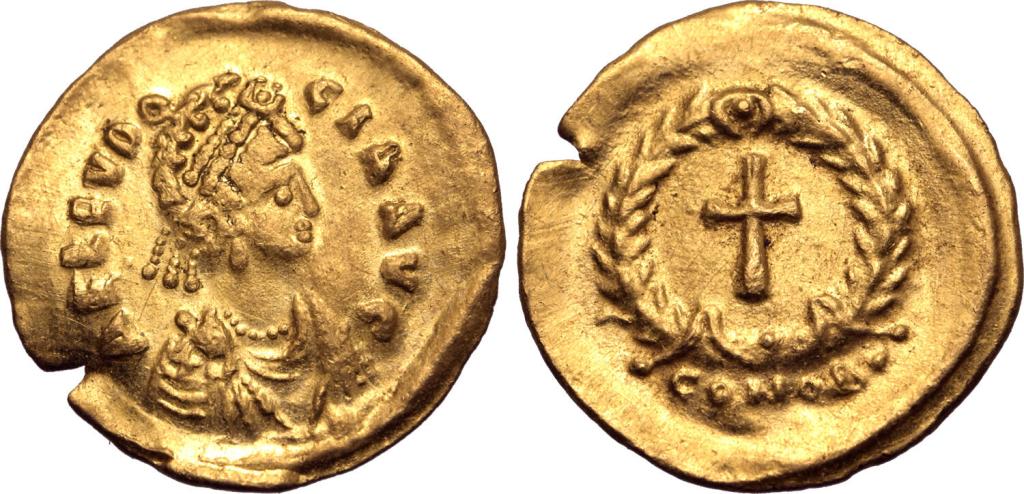
There are two coins that are displayed on the top of this blog post. These coins are a Northern Song coin and the other is of a Byzantine coin from the 5th century. One of the biggest distinguishing factors between this the Chinese coin and Byzantine coin are the Chinese coin’s lack of any aesthetical features, excluding the Chinese characters that are written around the square-shaped hole in the middle. The Byzantine coin on other hand is alot more beautiful to look at. It has the symbolization of the Empress Aelia on the front. On the back is a laurel wreath surrounding a cross, the primary symbol of Christianity. The Chinese coin is built for the practical use. The square-shaped hole was used to put forth string and tied many coins together for ease of use. The Byzantine coin is used for currency exchange as well but there is also another important aspect to it. These coins serve as important tools for propaganda purposes.
Here is a coin of the Emperor Trajan
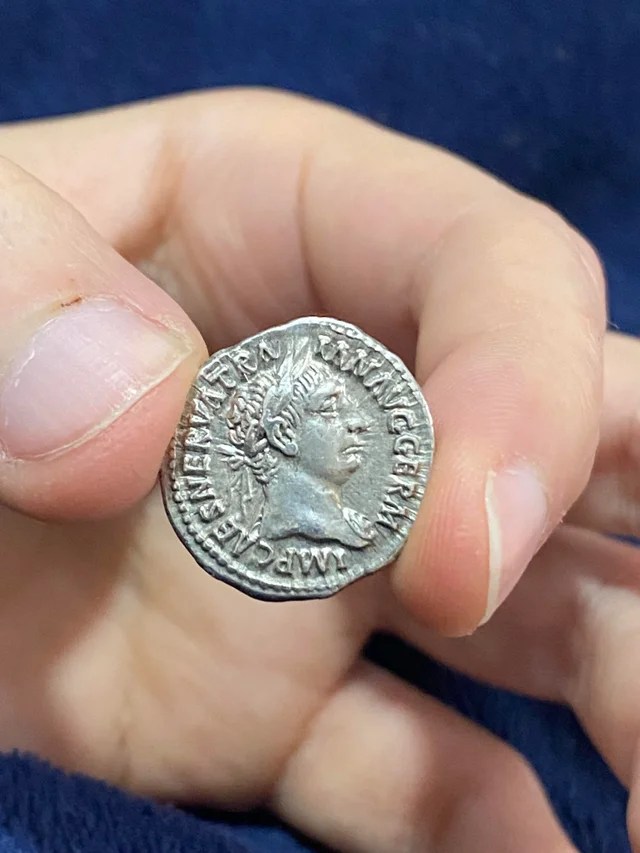
Emperor Trajan was one of the greatest Roman emperors. He brought the empire to its greatest height under his reign. Coins that feature him are prized among collectors. This image I got from Reddit.
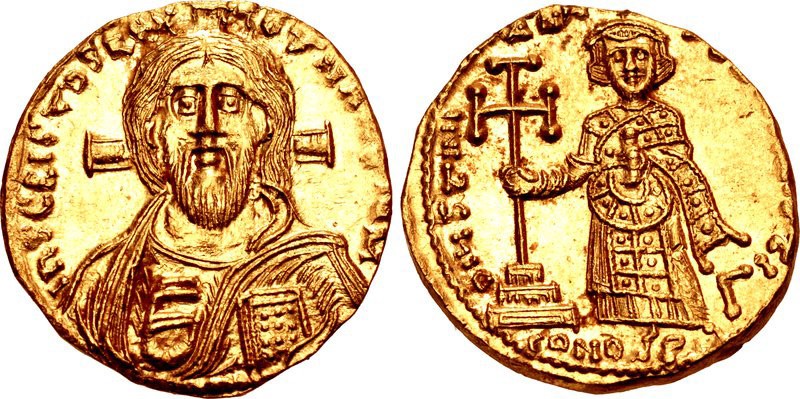
Here is another image of a Byzantine coin, one that I have used on this blog before. It is a beautifully minted coin with the symbol of Jesus on the back and the symbol of an emperor on the front. Unlike the coins of the pagan Roman Empire, these coins sought to tie the emperor directly to Jesus. He was representative of God on Earth.

As you can clearly see, Chinese coins don’t have alot of distinguishing features to them. Honestly, it would be hard for me to determine the era of when this coin was made. According to user on the website Reddit, it was minted during the Tang Dynasty.

Here is another example of Chinese practicability. These coins are from the Northern Song period.

Chinese coin design would involve the square-shaped hole for millennium. The winds of change in the early 20th century brought changes to Chinese numismatics. As you can clearly see here, the Chinese coin contains themes that would be very familiar to a Roman in the 1st Century BC.
The history of coins is very interesting to me. I hope that you learn something from this article.
 Byzantine-Empire.com