


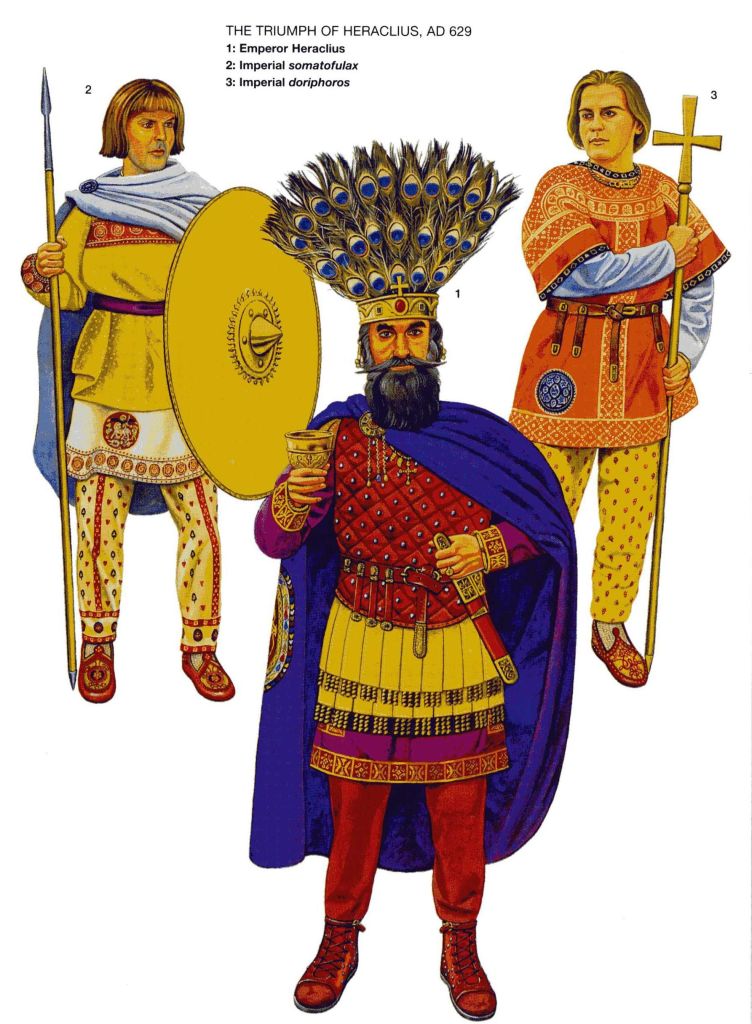
The Byzantine Empire is one of my favorite topics to write about. However, there are several aspects of Byzantine history that still astonish me. Namely, the ability for the empire to survive despite the multiple empires threatening the Byzantine state. This is a remarkable story that gets all too often ignored by people and even historians. They only focus on the fall of the Romans and not the Eastern Romans. To me, this is a travesty of historical research and pop culture.
The story of the Eastern Romans is as worthy of a story as that of the Roman Empire and Roman Republic. The ability for the empire to survive and be able to thrive even in spite of incredible circumstances is one of the greatest stories that should be told in schools and academia. Many empires have come and gone but the Eastern Romans were able to thrive and revive themselves multiple times.
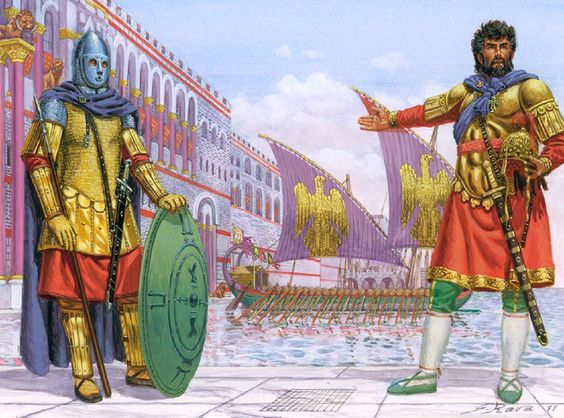
When we discuss the survival of the Roman Republic or the Roman Empire, we tend to focus on the big players, such as the emperors and generals. The same goes for the Byzantines.
The Byzantine Empire under Justinian and his immediate predecessors was one of the most powerful empires on the planet. Unlike the Western Roman Empire, the empire was governed by people who were somewhat competent administrators and a stronger economy that helped it survive compared to the sprawling and poorer Western Roman Empire.
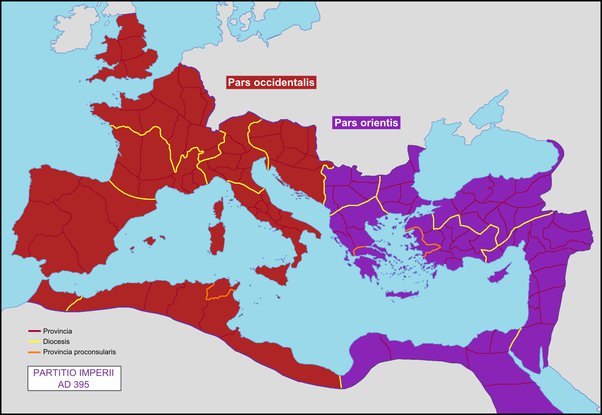
One thing that the Eastern Romans had was that their emperors were simply more competent and were able to keep the economy running during hard times. Ineffectual emperors like Arcadius were thankfully not the norm in the Byzantine Empire. While there were issues with Eastern Roman Feodorati stirring up trouble in the empire, the Empire was able to restrain these fifth column soldiers. By the time that Western Roman Empire fell in the 470s, the Eastern Roman Empire was secure even though it was facing financial issues. There had been an attempt to help the Western Roman Empire in the 460s to help retake parts of North Africa from the Vandals, but that attempt was not successful and actually bankrupted the economy.
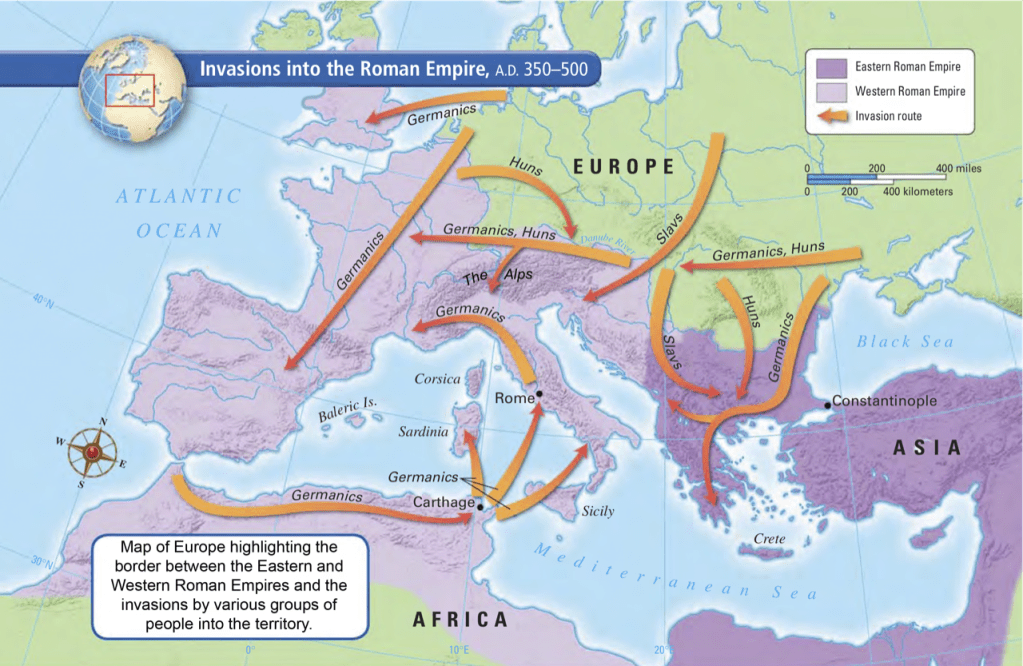
After emperors like Leo I and II, there were a series of emperors who helped set the foundation for the glittering success of Justinian’s reign. The Emperor Zeno came to power when the Western Roman Empire was falling apart. He came to power when there were several wars raging across the empire and managed to keep the empire whole while the Western Romans were unable to stave off defeat. He appointed Anastasius as his successor and this is one of those most important decisions that he made.
Emperor Anastasius is one of my most favorite emperors for a multitude of reasons. One of the reasons is that he is one of the best policy emperors whose reforms reverberated throughout the empire for centuries. He managed to invigorate the economy and managed to deal with several crises with expert leadership. I consider him to be one of the best emperors. On the topic of religion, while he may have been somewhat dogmatic in his religious views, he was willing to compromise, and he prevented the Empire from falling into civil war due to his Miaphysitism. He is one of the most competent emperors in the history of the Byzantine Empire.
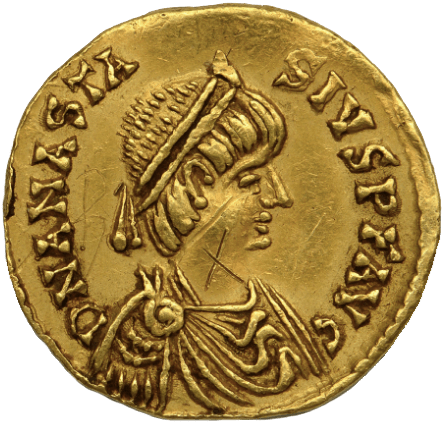
His successor Justin I has a remarkable rag to riches story. He was born to a peasant family and managed to rise up the ranks of the army to eventually becoming Emperor Anastasius’ personal guards. When Emperor Anastasius passed away at the ripe old age of 87, Justin managed to maneuver through the political wheeling and dealing to become the next emperor. He continued many of Anastasius policies and continued to promote religious unity amongst the Christians in the empire.
When Justinian came to power, he had an empire that had a full treasury and a strong army. He was in the prefect opportunity to start taking back territories that had been taken by the Vandals and Ostrogoths.
Justinian could have been simply another bureaucrat type emperor but no he was one of the most ambitious emperors who had ever lived in the empire. He came from peasant stock but was a capable administrator while in the shadow of his uncle, Justin I.
Justinian coming to power was one of the greatest things to have ever happened to the Byzantine Empire. He managed to marshal all the resources that had been saved in the past century to launch the great wars of reconquest. His policies of reconquest brought the empire to its pre-medieval apex. The Empire would reclaim the territories of North Africa, Italy, and some parts of Southern Spain
.
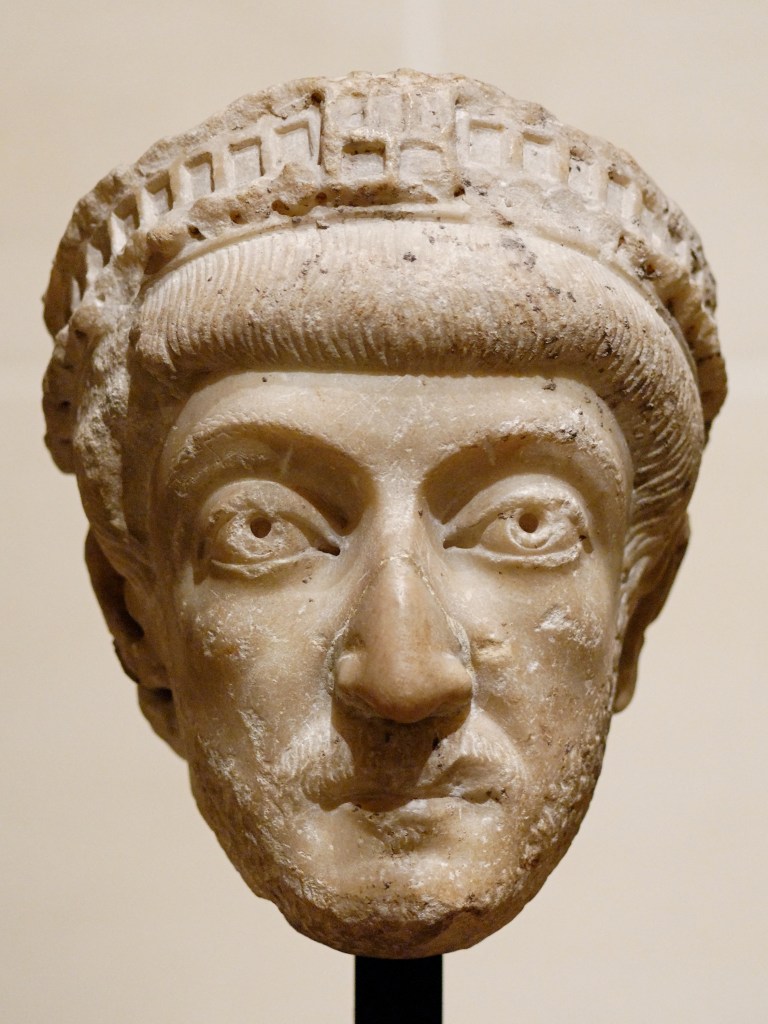
Justinian’s conquests would prove to be somewhat fleeting. By the time that the story gets to the emperor Heraclius, the possessions in Italy were overrun by the Lombards and Southern Spain was being slowly retaken by the Visigoths. Only North Africa was secure.
The coming war with the Sassanids would be truly disastrous for both sides. The Byzantines would see their territories shrink to their smallest extent since the days of the Roman Republic.
Heraclius was truly victorious in beating back the Sassanids, but he was not ready for the human tsunami that was coming.
Peter Heather’s Rome Resurgent is an interesting book that discusses whether Justinian’s overreach in the wars was responsible for the Islamic tsunami. In spite of his views that Justinian was nothing more than an autocrat who didn’t care about the lives of his men and citizens, he believes that Justinian wasn’t responsible for how the Eastern Roman Empire would collapse in the face of the Islamic tsunami in the 7th century.
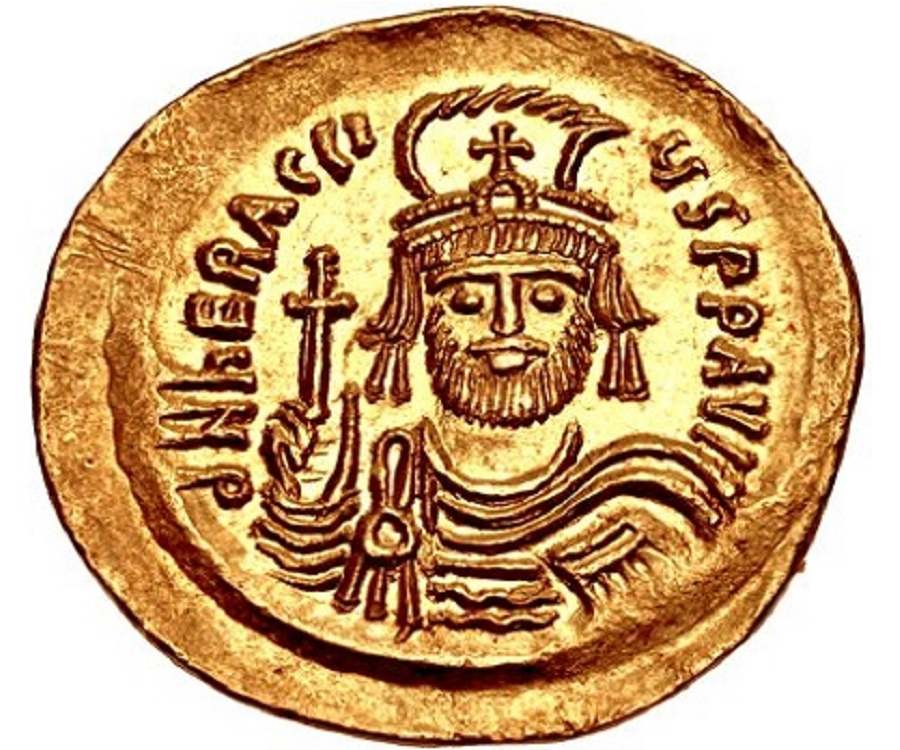
The real reason for the collapse for the Eastern Roman Empire after going from strength to strength was the devastating war between Eastern Rome and the Sassanids. While these two great powers were fighting each other, the Muslims were settling disputes among each other and preparing for wars of conquest that conquer one empire and cripple the other.
The Arabs in the Arabian wastelands and deserts were generally disregarded by the Romans and Sassanids as savages and would use certain tribes like the Ghassanids to control them. Peter Heather points out that the Huns and Muslims were similar in many ways, but what made the Muslims successful was the unifying religion of Islam by Mohammed. By the time that the Muslims started pouring out of the deserts, the Byzantines and Sassanids were already exhausted from years of warfare and societal deprivation.
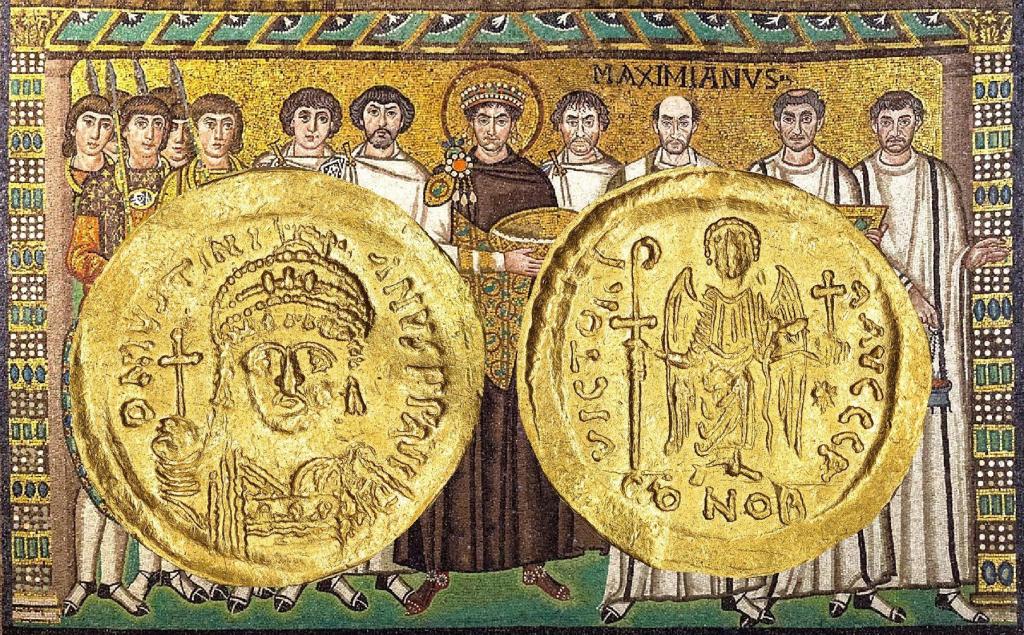
What happens next is truly remarkable, as we see the fortunes of one empire change and another go into a totally different direction. The Sassanids, who had just lost a war and went through several civil wars, were primed to be defeated by the Muslims.
The Byzantines on the other hand were able to survive while the Sassanids were crushed by the armies of Islam. This is a remarkable story of survival that needs to be told by people of all sorts of stripes.
I find it remarkable because they managed to survive one invasion after another.
It shows that states are able to survive despite the many obstacles thrown at it. This should be motivator to anyone out there with issues; You can survive no matter the odds.
The Byzantine Empire would survive and be able to go from strength to strength and in the 11th, century managed to rebuild an empire that would be able to take on the Bulgarians and the Muslims. Considering the United States’ own situation, I consider the Byzantine’s ability for survival to be incredible.
The Western Roman Empire was beset by bad leadership, a poor economy and deteriorating army that was being transformed into a mirror image of its Germanic recruits. The Eastern Roman Empire showed the way for good governance that the Western Romans simply lacked in spades.
Why does this story appeal to me so much? I think its because the Byzantines are such an incredibly interesting topic. The idea of a pagan empire changing into a Christian one is fascinating type of transition to read about. The ability for an empire to survive the overwhelming odds is a story that deserves to be told by the citizens of any country where they care about talking about history.
 Byzantine-Empire.com