


When it comes to history education in the West, especially in North America, it is sorely lacking in many ways. In Byzantine history specifically, education on the emperors in particular is not very visible. Most Americans and Canadians in North America do not even spend time with talking ancient history anyway, much less about the Christian successor to the Roman Empire.
In the 18th and 19th Century, it was possible to see people of many backgrounds being able to write at a high level which would surpass many in this current age. One look at the newspapers of the past and comparing them to today and the contrast is stark and one should not even be surprised honestly. Our education system is noticeably stuck in making automatons rather than people who can think creatively and appreciate their abstract thinking skills that they have.
The ability to understand abstract concepts and higher thinking is not something that many in this modern age are able to appreciate. It is even more of an issue when trying to convince people that history is something that they should care about. We need to start caring about our heritage as a people in North America and the West. One way to do so is to take a more active approach to our history and try to integrate into the classroom instead of emphasizing stale techniques that were made in the 19th century.
To get people interested in the history of the Byzantines, we need to realize that economics and military tactics are mostly something that people in graduate school and history geeks are going to care about. What most people care about is their personalities in this age. Turning the Emperors into interesting characters is the way to integrate this history into the classroom and other aspects of our society and our culture.
Which Emperors should be included in a general overview of Byzantine History?
I believe that my list is concise and provides the best options for how to teach this rather niche subject to a wide range of students. They need to be big in the history of the Empire and be able to be easily accessible to the students.
Emperor Justinian: Thracian Soldier to Ruler of Rome
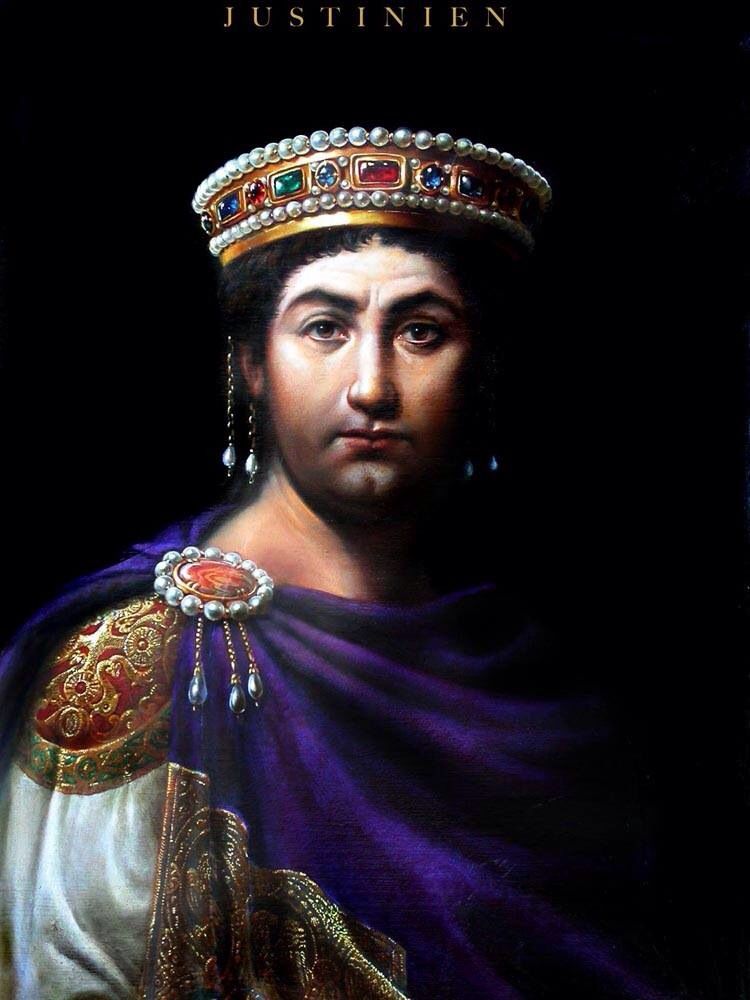
This peasant who became Emperor needs no introduction if one has some interest in history, especially the Byzantine Empire. Justinian and his trusty general, Belisarius are known as the generation of Romans would still seem like Romans of many years past such as Augustus and Marcus Aurelius. His reign is a transitory era where the Roman Empire was undergoing a moral revolution His story will appeal in large part to Americans who learn such information in public schools. In public schools, there is an egalitarian atmosphere that is generally encouraged in comparison. Justinian is an example of a Horatio Alger story and his accomplishments and flaws give him a human quality. Unlike Alexander the Great, whose nature seems almost supernatural and mythical, Justinian, him being a Christian and a poor man going against the established Constantinopolitan aristocracy that was established by Emperor Constantine when he offered free grain and land in order to get some of the aristocracy in the Roman Empire to leave Rome. His story is amazing and shows the importance of how anyone can become a great man or woman through incredible effort and achievement.
Emperor Heraclius: The Man who Stood Against Persia and Muhammad
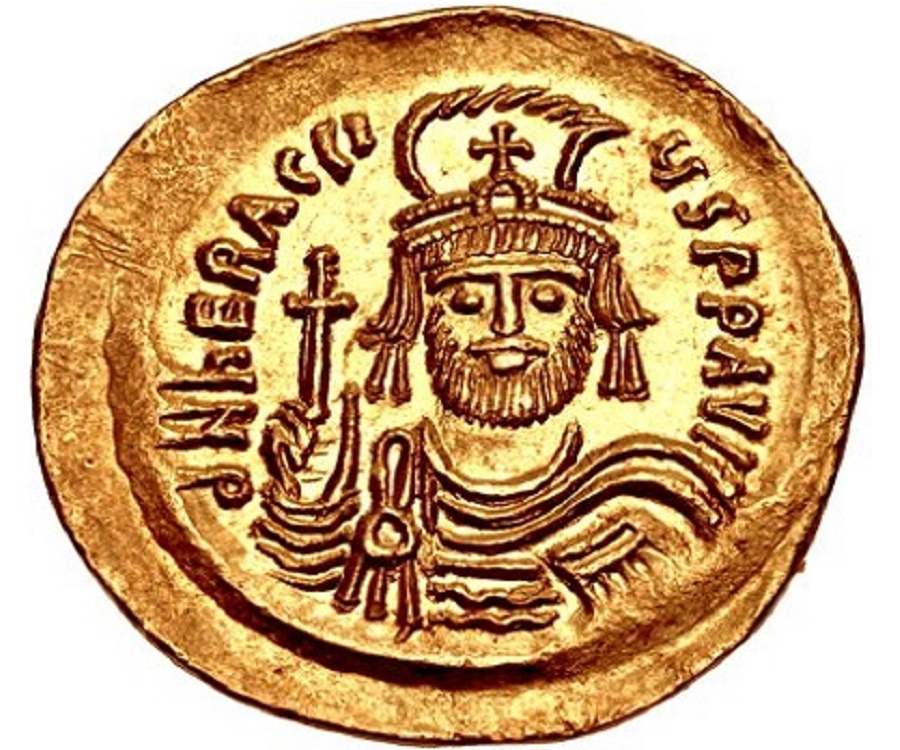
His name is more well-known in the Arab and Muslim world unlike in the West. Muslims often refer to him when talking about Muhammad sending his letters to many rulers in Eurasia. His story needs to be told as his story is a great example of man like Justinian who preservers through so many challenges and manages to bring glory to his empire. Heraclius’ story seems made for a movie, especially with his rise to power, his struggles with the Persians and the Muslims. His story gives rise to those theories about what could have been as his success could have been comparable to that of the Emperor Diocletian as a man would have been responsible for essentially helping to move the Roman Empire into another era of glory and prosperity that would showcase the endurance of the state.
Emperor Manuel: The Emperor of an Age of Glory and Intrigue
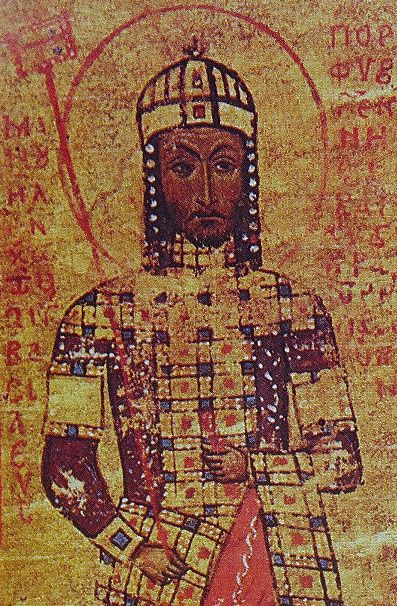
He is a man that was once well known among the scholars in the West and was once presiding over a renaissance in his great empire. The previous Emperors in the Kommenian era, Alexios and John had been instrumental in rebuilding the empire’s strength. Manuel would be the culmination of more than thirty years of rebuilding and resistance to the Muslims and the Seljuks who were slowly beginning the process of Turkification of Anatolia. His reign was well-remembered in the time of the Latin West. His interactions with Eleanor of Aquitaine and the great Saladin. His reign is one of the most interesting times of history. His reign overlapped with the Second Crusade which saw the Latin West and Orthodox East see tensions rise between them. Unlike Justinian or Heraclius’ reign, Manuel’s reign has more interesting characters that flesh out the drama and the high stakes of the age. This makes Manuel among one of the best emperors to teach in classroom settings, even more than Basil II for example, as Michael Psellos and other authors can be rather sparse on information on the Bulgar-Slayer. That is not the case with Emperor Manuel, whose age is one of legend and incredible conflict.
Overall, I believe that these three would serve as great gateways to get students interested in history as a topic. More importantly, they are the best representation of Byzantine history and culture.
 Byzantine-Empire.com