


Gladiator II was released in November 2024, and it had some success at the box office. This shows that there is still an appetite for historical movies.
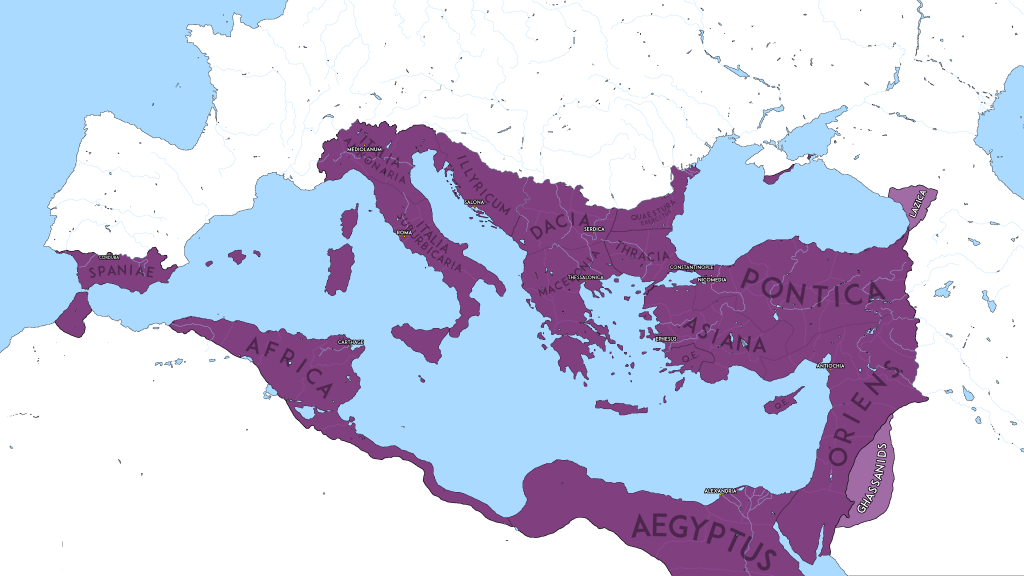
However, I think it’s time we have a movement towards making movies about the Byzantine Empire or Late Antiquity.
Classical Rome is overdone at this point
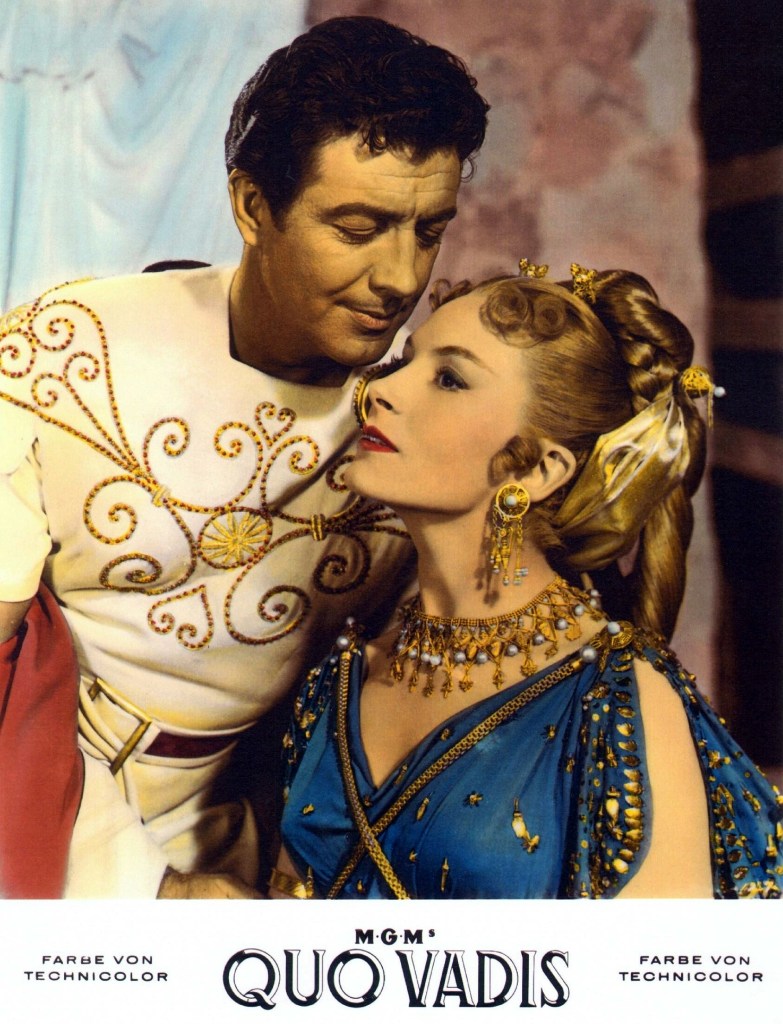
Ancient Rome has been made into movies so many times. In the era after World War 2, these movies were iconic if not overbearing in their moralism and scale. Movies like Quo Vadis, the Robe and Ben Hur, while somewhat slow, were impressive movies. The release of the Fall of the Roman Empire in 1964 marked a decline in the popularity of historical epics. Clearly, they are no longer as popular as they once were.
Ridley Scott has been a hit and miss director. He seems to be lacking willingness to portray new ideas on screen and cares about revisiting his own projects. This may be a product of age, but he is no longer the visionary some thought he was.
We need a new generation of visionaries who can bring history to the screens.
Byzantine History is surprisingly popular in Turkey
In Turkey, many young directors have been giving life to Muslim’s view of themselves through Magnificent Century. Egypt has also been making many series about its Islamic history. They are largely watched by fasting Muslims on Ramadan. The physical toil during Ramadan is significant. Its regimental nature provides artists and screenwriters with a captive audience. This allows them to present their visions to people.
Byzantine History should have a big audience in Greece. However, Muslims tend to make most depictions of Greeks in the Middle Ages. This is especially true for studios attempting to portray the rise of the Ottoman Empire. Even the great battle of Manzikert has been used by Turks to glorify the Turkish experience of history. The portrayal shows Greek characters as corrupt. They are outmaneuvered by the more virtuous Muslim Seijuk Turks. This has been the case for many examples of Byzantine history which are now under the lens of Muslims.
Gladiators are great but we need new stories
Gladiators have been done so many times in recent years. In 1950s Italy, there was an entire genre. It was known as Peplum in Italy. English-speaking countries called it Sword and Sandal. There was probably only one movie about the Byzantine Empire in the 1950s. This movie was made in the craze for Classical Antiquity in the 1950s and 1960s. This movie was called Slave Empress. It had a focus on the Empress Theodora and her life with Emperor Justinian.
The only depictions of any Byzantine Emperors have been in documentaries and in a Netflix series. There were some movies in the Eastern Bloc, but those are obscure.
Vikings Valhalla on Netflix is playing loose with history and isn’t really meant to taken as a truly serious series. The depiction of the Viking culture and customs are a draw for some but not everyone. I see it as another variation of emphasizing honor societies over the opulent sophistication of the Byzantines. However, my view is that the whole series suffers when one culture isn’t shown in an authentic way. This is especially true when the narrative uses real people and events. It’s not really about historical accuracy but about getting the vibes of culture right. People can fill in the gaps with imagination when accuracy isn’t the focus of a series. However, Vikings Valhalla is more about a veneer of authenticity with little accuracy in it.
Emperor Romanos II is shown in a somewhat complex way. However his story has nothing to do with historical reality. He is assassinated in a plot by a Byzantine general who in reality rebelled in a civil war. In some sense, his legitimacy seems to stem more from the competence of those who serve him. These qualities do not be inherent in him.
The series is also unwilling to allow the Byzantines to have any sovereignty in the narrative. They have to have some connection to the Classical Antiquity which takes precedence over the Christian culture. They were respecting the classical culture, but they were reinterpreting it in new ways. The peasantry or small land holders had more of connection with the Eastern Orthodox culture than Socrates or Aristotle.
Classical Antiquity still has more of presence in the contemporary cultural memory in comparison to the Christian Middle Ages. I think it is time to show audiences, that this era of history is worth their attention.
I hope that directors are listening. We need more stories that are not just about Ancient Rome. They should be about the whole nature of our history. Gladiators are great representations of glory in tough circumstances, but we need more variety, so we get a holistic view.
 Byzantine-Empire.com