


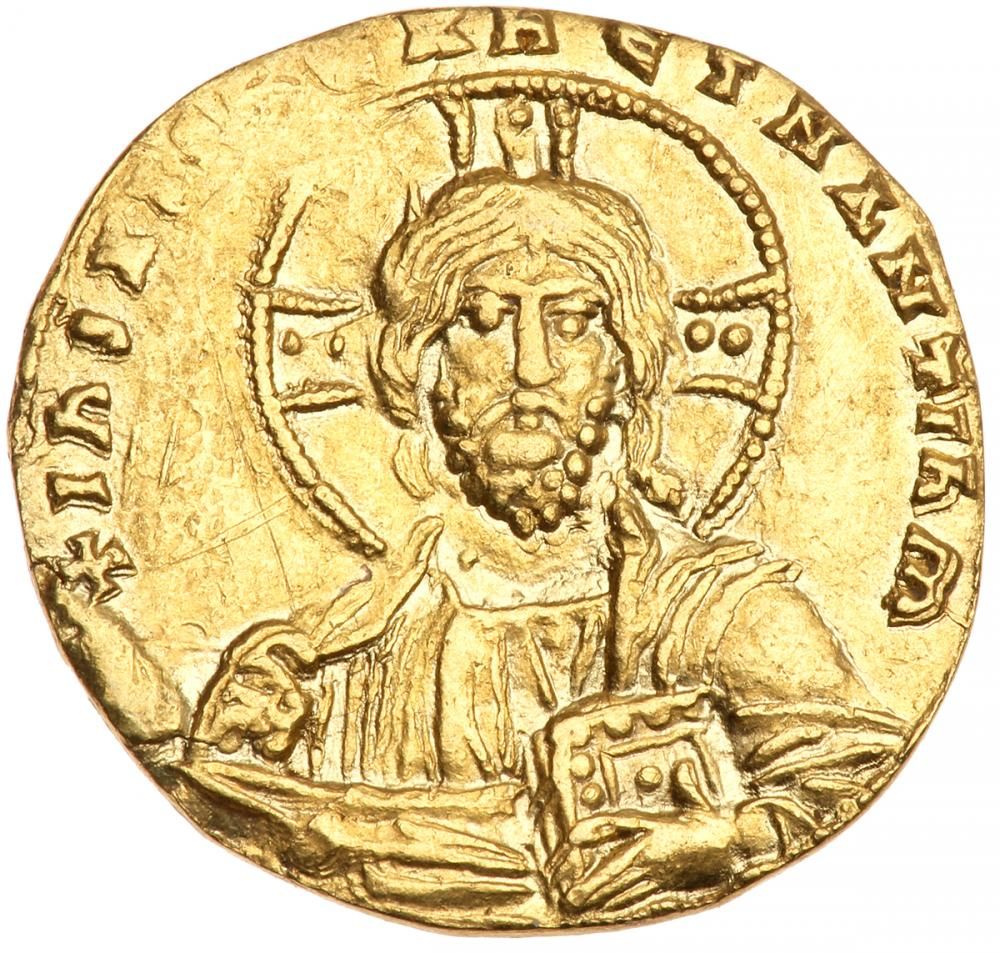
In many previous writings, the topic of the name of the Byzantine Empire has been discussed on here. I believe there is an easy reason to explain why the Byzantine title makes sense, even if the Eastern Romans did not use themselves. Histography is a tricky subject and when we are talking about an Empire that existed long before us, there is a need to categorize things a way that makes sense in our times.
This is why the word “Byzantine” is used to describe the Empire.
The Ancient Greeks were very willing to spread their civilization across the Mediterranean. Byzantium or Byzantion was one of those important colonies that was a gateway to the Black Sea and Bosporus. While it did not gain the fame of Troy in its initial, it would eventually rise to its place of one of the world’s greatest cities.
When Constantine made it the official capital of the Roman Empire, Byzantium became Constantinople.
However, the name of the original colony, Byzantium, much like the briefly used name, Nova Roma, were put to the side. Constantinople would remain the name of the Queen of Cities until the rise of the Turkish Republic in the 1920s. Attaruk, who was steering the destiny of the Turks through sheer will and farsighted policies, changed the name to an old Turkish name, known as Istanbul, which can be found being used in the Ottoman period as well as on its 19th Century maps.
The Empire as well as the city that birthed it, seem to have been constantly in a state of flux and change. It just does not seem reasonable that the Roman Empire would simply retain the same names. While the citizens of Constantinople and the other cities of the Empire would continue to consider themselves Roman, it is clear for the purposes of histography there had been clear cultural changes. It was essentially the same empire in official capacity but culturally it was not the same.
However, the question remains, what about the name Byzantine Empire.
To some, it represents an epithet of the complexity and decadence of the empire.
However, there is a great explanation that I think ties in with the Pagan Roman Empire.
The Pagan Roman Empire was founded in the mists of archaic Italy. Two brothers, Romulus and Remus were engaged in a struggle for the future of the Romans in Latinum. Romulus managed to win and killed his brother, Remus.
The Roman state would then be a descendant of his name, Romulus.
Remus was not seen as villain of Roman history like Hannibal would be seen after the Punic Wars with Carthage. However, his story would be seen as more of a tragic tale of fratricide and a conflict of the vision of what Roman society could be.
The previous name of Constantinople was very much similar to this story, except without fratricide becoming a narrative here. Byzas of Megras, a legendary figure in Greek Mythology. Much as the legend of Romulus and Remus, the legend of the founding of Byzantium became a link with the ancient past. It was even included in the civic pride that people had for the city, with coins being minted celebrating Byzas and his settlement of the cities.
The usage of Byzantine is a creation of the Renaissance. However, in our modern age, how are we supposed to understand the long reign of Emperors in Constantinople?
The usage of Byzantine can be seen as a way to connect the city to its origin in Ancient Greek mythology just as Rome refers to Romulus as legendary founder of the Roman Empire.
Histography changes through time and we should attempt to understand that the old meanings of disrespect or elitism can change into other meanings. Byzantine does not simply need to create images in the minds of people of bureaucracy and decadence. It can also provide an important image of the link of Antiquity with the Christianity of the Middle Ages.
 Byzantine-Empire.com