


TThe Byzantine Empire was one of the longest lasting empires in history. From its inception in 395 AD after the splitting of the Roman Empires into East and West, it managed to endure for over a millennium until it fell to the Turks in 1453 AD. Such a long enduring institution had to have reasons for it to survive. These are the eight reasons why the Byzantine Empire was one of the world’s greatest empires and why its survival was a result of such reasons.
1. It managed to survive the fall of the Western Roman Empire
The Western Roman Empire’s fall was a fault of its own. The West was always a more rural empire since the Crisis of the Third Century, and this meant the economic structures in place were not as strong there. The Western Roman Empire suffered from many more civil wars than the Eastern Roman Empire.
The survival of the Byzantine Empire when the odds were high shows the resilience of the empire in that age.
2. Building the Walls of Constantinople.
The Byzantine capital was an impenetrable bastion for over a millennium. It was surrounded by by two rings of walls, the Theodosian Walls and the earlier Constantinian Walls. These set of walls were ingenious ways to keep the city safe from multiple threats. The presence of the walls helped to protect as well dissuade opponents from attacking the capital of the empire. Such walls were even resilient even under the cannon fire of the Ottomans in their 15th Century sieges.
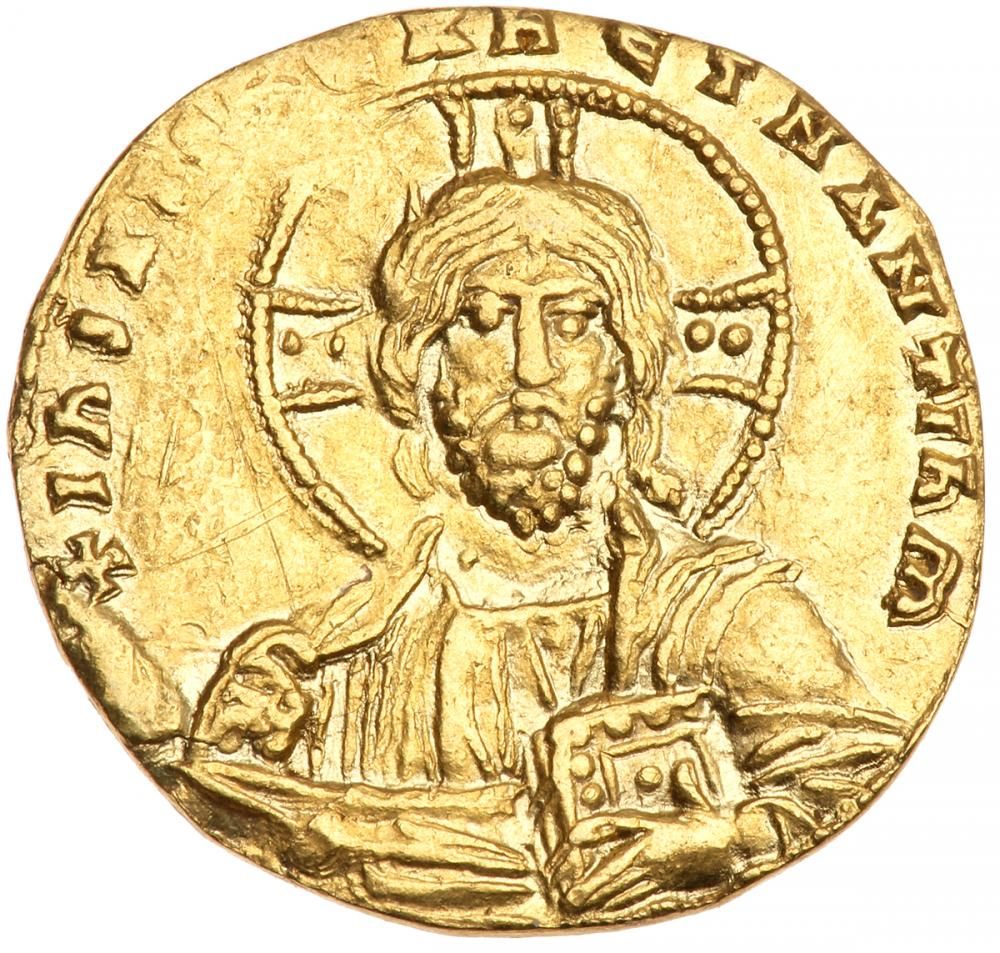
3. The Coinage of the Byzantine Empire
The introduction of the Solidus by the Emperor Constantine in the 310s helped to stabilize the monetary economy in the empire. The Solidus remained in use throughout numerous later dynasties of the Byzantine Empire.
4. The Thematic System
The reorganization of the Roman provinces into themes helped to stabilize the Byzantine Empire in a time of chaos. The Muslim conquests had taken out the Sassanid Empire; the Byzantine reorganization helped to reorient the government’s priorities to avoid the fate of the Sassanid’s Shah and continue the empire into the Middle Ages.
5. The Invention of Greek Fire
This invention came right at the time of the greatest upheaval in the history of Europe and the Near East. The usage of Greek Fire, which allowed for the Byzantines to gain a defensive advantage over the Rashidun and Umayyad Caliphates. This technology was closely protected as a state secret and played a key role in preserving the empire for centuries after the Sassanid siege of 626 and the Arab siege of 717.
6. The Transition to Christian and maintenance of Greco-Roman culture.
The transition from a pagan culture to a Christian culture was crucial for the Eastern Romans. In our highly mechanical age, it is tempting to emphasis the physical technologies we can see with our eyes. However, the switch to Christianity was a spiritual social technology which gave the Eastern Romans the glue that they needed to survive in a turbulent age when the empire was under the threat of invasions from Muslims and Germanic and Goths.
However, the Byzantines were not one to be Orthodox with their beliefs. After the conflicts with Iconoclasm in the 8th and 9th centuries, the Byzantines would have a renaissance which would result in the synthesis of Christian and Greco-Roman philosophies.
7. The integration of the Slavs into the armies
The Creation of the Varangian Guard in the Byzantine Empire by Basil II was a masterful stroke by the emperor. He managed to make better relations with the Rus and incorporate them into the Byzantine sphere of influence. They would prove to be especially useful in many wars for the Byzantine Emperors. In comparison with the Praetorian Guard, they were much more dependable soldiers.
8. Byzantine Silks
The stealing of sericulture from China was the greatest examples of industrial espionage by Emperor Justinian.
The two monks who brought back the silkworms and the secrets to making Silk helped to create a whole new industry in Europe.
This would give the Byzantine Empire an advantage in diplomacy as well as its economic status as one of the great powers of the Middle Ages.
 Byzantine-Empire.com